
When you hear Polygon crypto, a Layer 2 scaling solution built to make Ethereum faster and cheaper. Also known as MATIC, it’s not a rival to Ethereum—it’s the sidekick that helps it run smoothly. Think of Ethereum as a busy highway where traffic jams spike fees and slow everything down. Polygon is the express lane that lets you zip through without paying $50 in tolls.
Polygon crypto isn’t just one tool—it’s a whole ecosystem. It includes Polygon blockchain, a framework that supports multiple types of sidechains and validity proofs, which lets projects pick the best fit for their needs. Some use zk-rollups for ultra-secure transactions. Others use optimistic rollups or even standalone chains that connect back to Ethereum. That flexibility is why big names like Reddit, Starbucks, and Nike built their crypto features on Polygon instead of Ethereum directly.
It’s also the backbone for a lot of the DeFi and NFT apps you might use. If you’ve swapped tokens on a DEX, bought an NFT, or played a blockchain game, there’s a good chance it ran on Polygon. That’s because it cuts transaction costs to pennies and confirms trades in under two seconds. Compare that to Ethereum’s sometimes-minute-long waits and $10+ fees—and you see why it’s become the default choice for everyday users.
But Polygon isn’t perfect. It’s still tied to Ethereum’s security, so if Ethereum has a major issue, Polygon feels it. And while it’s popular, some projects are starting to explore alternatives like Arbitrum or Optimism. Still, Polygon’s early lead, developer tools, and massive user base keep it in the game.
What you’ll find here are real breakdowns of how Polygon works under the hood, what tokens live on it, how it compares to other scaling solutions, and which projects actually deliver value versus which are just hype. No fluff. No guesses. Just what’s real, what’s fading, and what’s still worth your time.
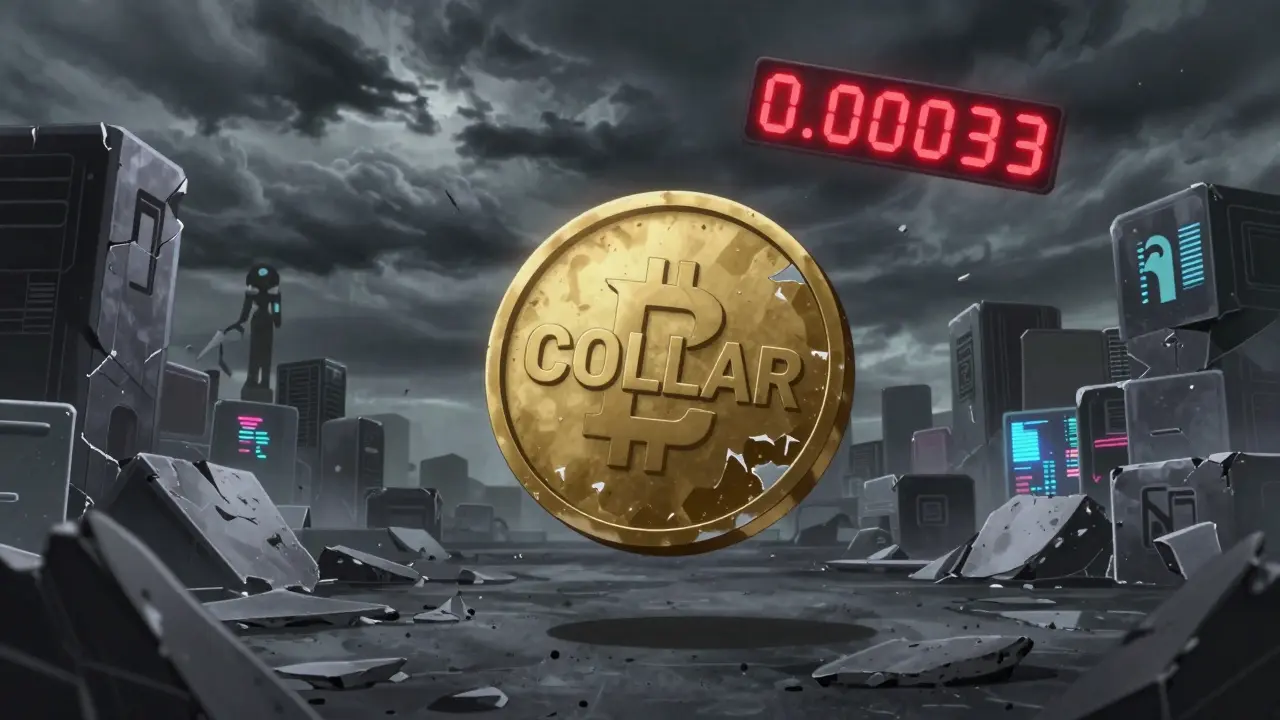
PolyPup Finance (COLLAR) is a nearly dead cryptocurrency on Polygon with a $48 market cap, zero trading volume, and no community. It's not an investment-it's a ghost token.