
When you hear deflationary token, a cryptocurrency designed to reduce its total supply over time to create scarcity. Also known as burned supply coin, it works by permanently removing tokens from circulation—usually through automated burns or locked wallets—to make each remaining unit rarer and potentially more valuable. This isn’t just theory. It’s a core design choice in real projects, from Bitcoin’s capped 21 million supply to newer tokens that destroy a percentage of every transaction.
But not all deflationary tokens are built the same. Some burn tokens randomly. Others lock supply in unspendable addresses. And a few just claim to be deflationary while doing nothing at all. The real ones—like tokenomics, the economic rules governing a cryptocurrency’s supply, distribution, and usage—tie scarcity to actual utility. For example, a token that burns fees from trades or locks staking rewards can genuinely shrink supply while giving users a reason to hold. On the flip side, meme coins that shout "deflationary!" but have no trading volume or active development? They’re just noise. The difference? One has a working system. The other has a marketing tagline.
What you’ll find in this collection isn’t fluff. It’s real cases: tokens that burned their way to relevance, others that pretended to be scarce and collapsed, and protocols that use coin burn, the process of permanently removing tokens from circulation to reduce total supply as a core feature—not a gimmick. You’ll see how crypto scarcity, the principle that limited supply increases perceived value in digital assets plays out in markets, and why some projects succeed while others vanish overnight. No vague promises. No hype cycles. Just what actually happens when supply meets demand in crypto.

Discover how WENLAMBO's tokenomics create continuous rewards through transaction fees, not traditional airdrops. Learn about its charity model, Lamborghini giveaways, and current market status.
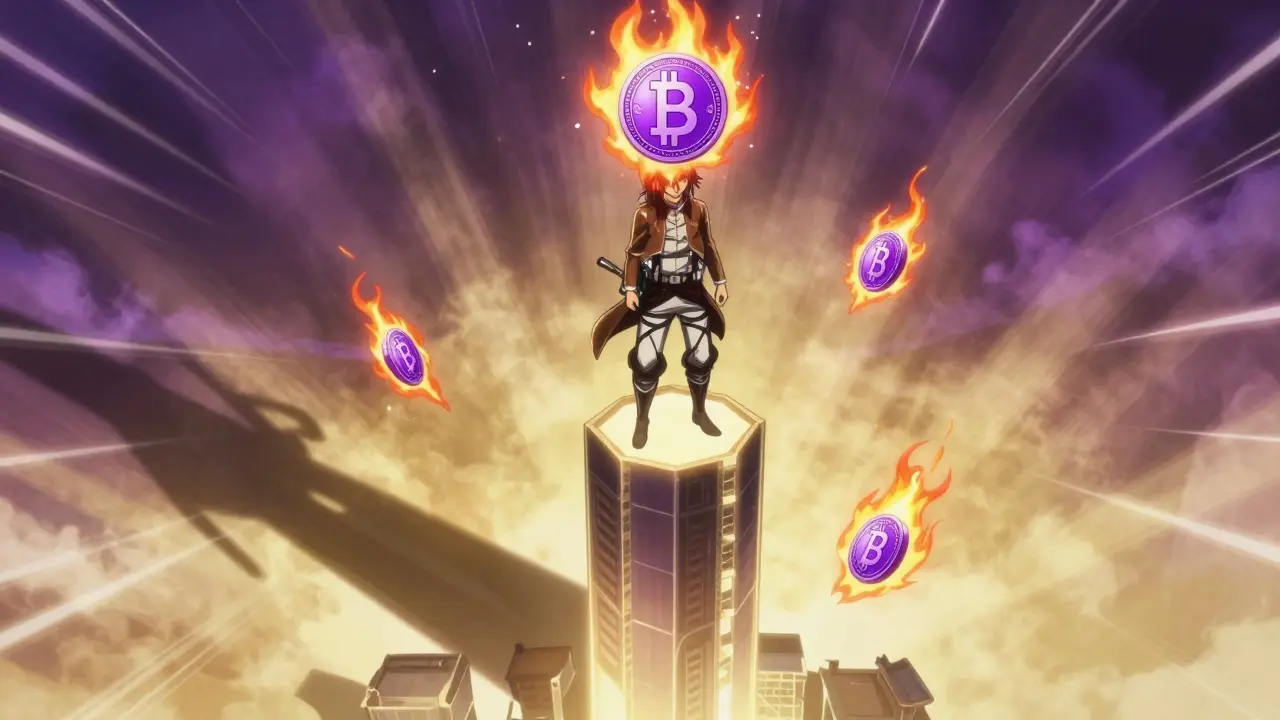
Purple Bitcoin (PBTC) is a deflationary token on Solana with a fixed supply and automated burns on every transaction. Launched in January 2025, it aims to combine Bitcoin's scarcity with Solana's speed - but it's still high-risk, unverified, and highly volatile.
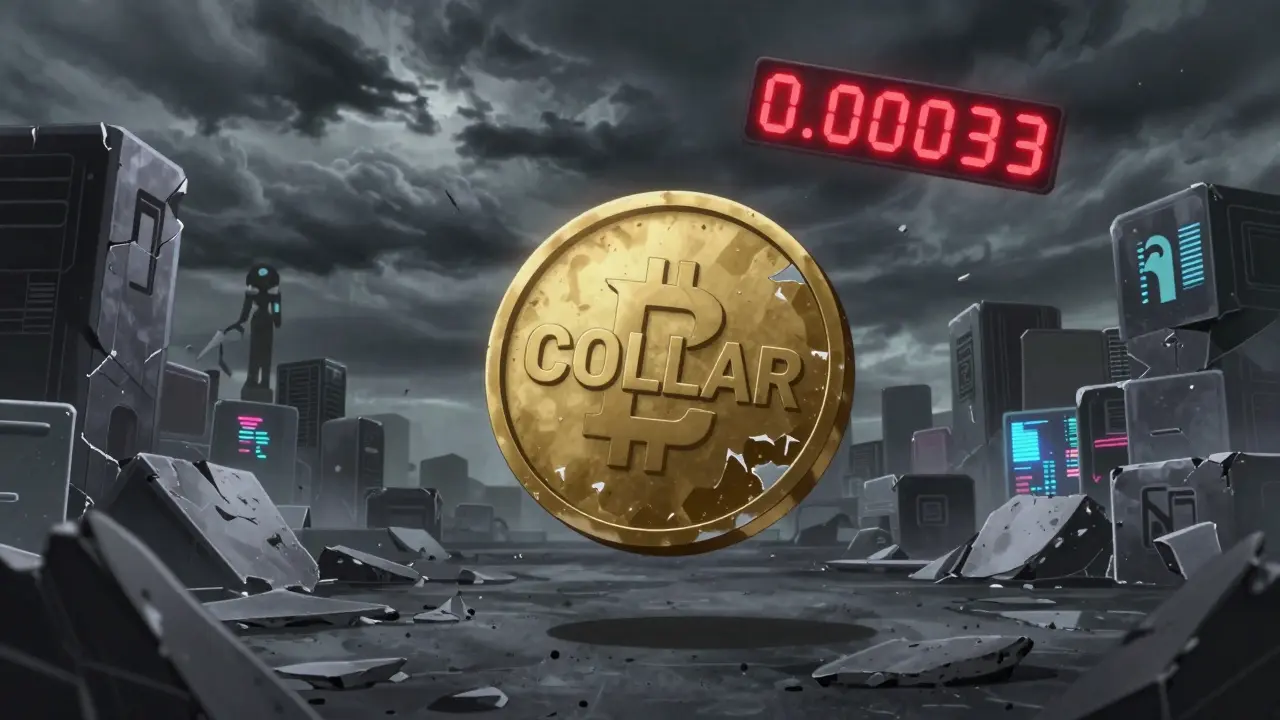
PolyPup Finance (COLLAR) is a nearly dead cryptocurrency on Polygon with a $48 market cap, zero trading volume, and no community. It's not an investment-it's a ghost token.