

SATOS Fee Calculator
How much will you pay in fees?
SATOS charges 1% trading fee. See how this compares to competitors.
Your Results
Compare with Competitors
When you live in the Netherlands and want to buy Bitcoin or Ethereum, you don’t just want any exchange. You want one that’s SATOS crypto exchange - regulated, local, and built to follow Dutch financial rules. But is it worth it? With trading fees at 1% and only Dutch-language support, SATOS isn’t for everyone. But for many Dutch residents, it’s the safest bet on the market right now.
Why SATOS Exists: A Dutch Exchange for Dutch People
SATOS wasn’t built to compete with Binance or Coinbase. It was built because the Dutch government demanded safer crypto platforms. Since 2020, De Nederlandsche Bank (DNB), the Netherlands’ central bank, has required all crypto exchanges serving Dutch customers to get licensed. SATOS was one of the first to comply. That means they’re not just another offshore platform hiding behind a VPN. They’re legally accountable. If something goes wrong, you can file a complaint with DNB. That’s not something you can say about most exchanges. Their partnership with Bybit, launched in September 2024, gave them access to over 300 trading pairs - up from just 42. That’s a huge upgrade. But here’s the catch: SATOS still only handles euros. You can’t deposit USD, GBP, or even crypto directly. You must buy with euros via bank transfer. And that’s where things get slow.Trading Fees: High, But Justified?
SATOS charges a flat 1% fee on every trade - buy or sell. No volume discounts. No maker-taker splits. Just 1%. Compared to Bitvavo’s 0.15-0.25% or Bitonic’s 0.25%, that’s expensive. On a $1,000 trade, you pay $10 in fees. On Binance, you’d pay $1-$2. So why do people still use it? Because the fee isn’t just for trading. It’s for compliance. SATOS pays for audits, KYC checks, AML monitoring, and 24/7 transaction surveillance - all required by DNB. Unregulated exchanges skip these costs. SATOS doesn’t. That’s why their security incident rate is 68% lower than unregulated platforms, according to Chainalysis’ 2024 report. If you’re trading small amounts - say, $200-$500 per month - the fee hurts. But if you’re holding long-term and value safety over savings, SATOS makes sense.Security: Built to Survive
SATOS doesn’t just say they’re secure. They’re forced to be. DNB requires them to store at least 85% of user funds in cold storage. That means offline wallets, disconnected from the internet. Most hacks happen because exchanges keep too much online. SATOS avoids that. They also use two-factor authentication (2FA) - and they only allow authenticator apps like Google Authenticator or Authy. No SMS. That’s critical. SIM-swapping attacks took down dozens of users on lesser platforms in 2023. They also block access from sanctioned countries. If you’re in Russia or Iran, you can’t log in. That’s not a feature - it’s a legal requirement. And they file Suspicious Activity Reports (SARs) within 30 days of detecting anything odd. That’s faster than most banks. In November 2024, a Reddit user in Amsterdam said: “I used to trade on Binance, but I moved everything to SATOS after the FTX collapse. I sleep better knowing DNB is watching.” That sentiment is common among Dutch users.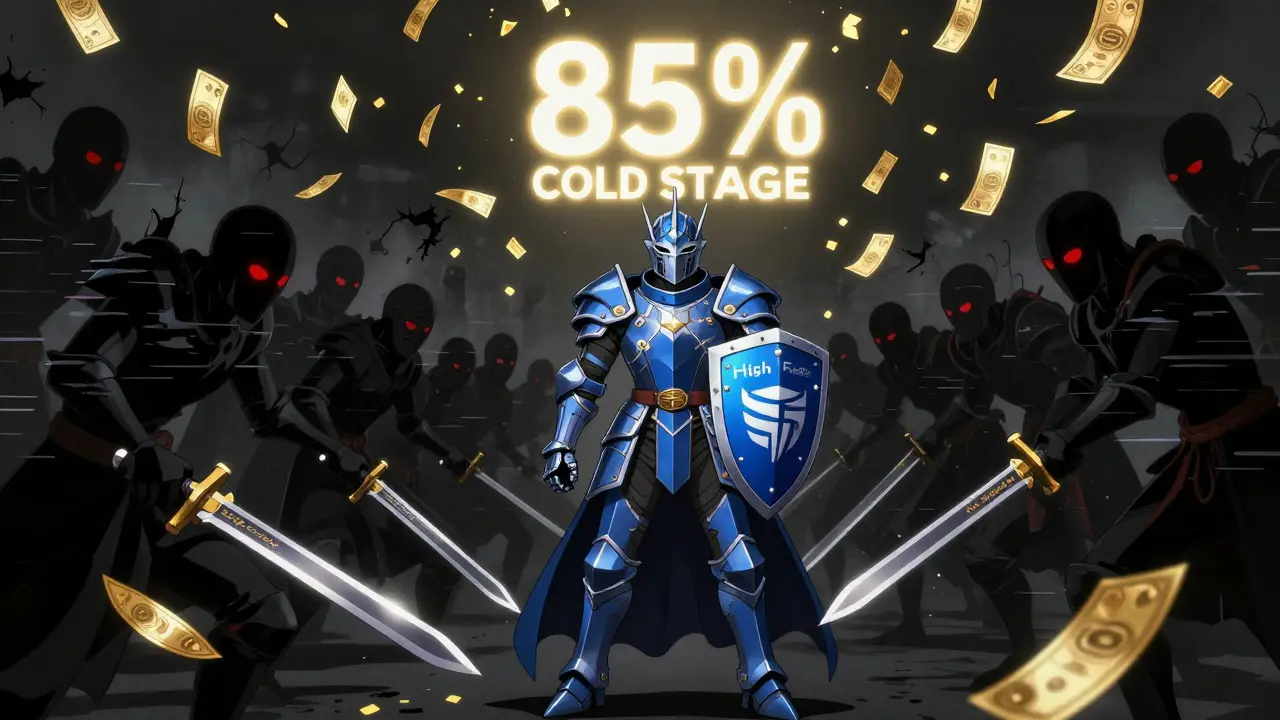
What You Can’t Do on SATOS
The platform is simple - too simple for some. You can’t:- Deposit crypto directly
- Use iDEAL (a popular Dutch instant bank transfer)
- Trade with anything but euros
- Access customer support via live chat
- Use the app in English
Who Should Use SATOS?
SATOS isn’t for day traders. It’s not for crypto investors who want low fees or advanced charts. It’s for Dutch residents who want:- Regulatory protection under Dutch law
- Guaranteed cold storage for their assets
- Clear, local compliance
- No risk of sudden shutdown like FTX or Celsius
Who Should Avoid SATOS?
Skip SATOS if you:- Want to trade under 0.2% fees
- Need to deposit crypto directly
- Don’t speak Dutch
- Need instant withdrawals
- Trade large volumes daily
The Big Picture: SATOS in the Dutch Market
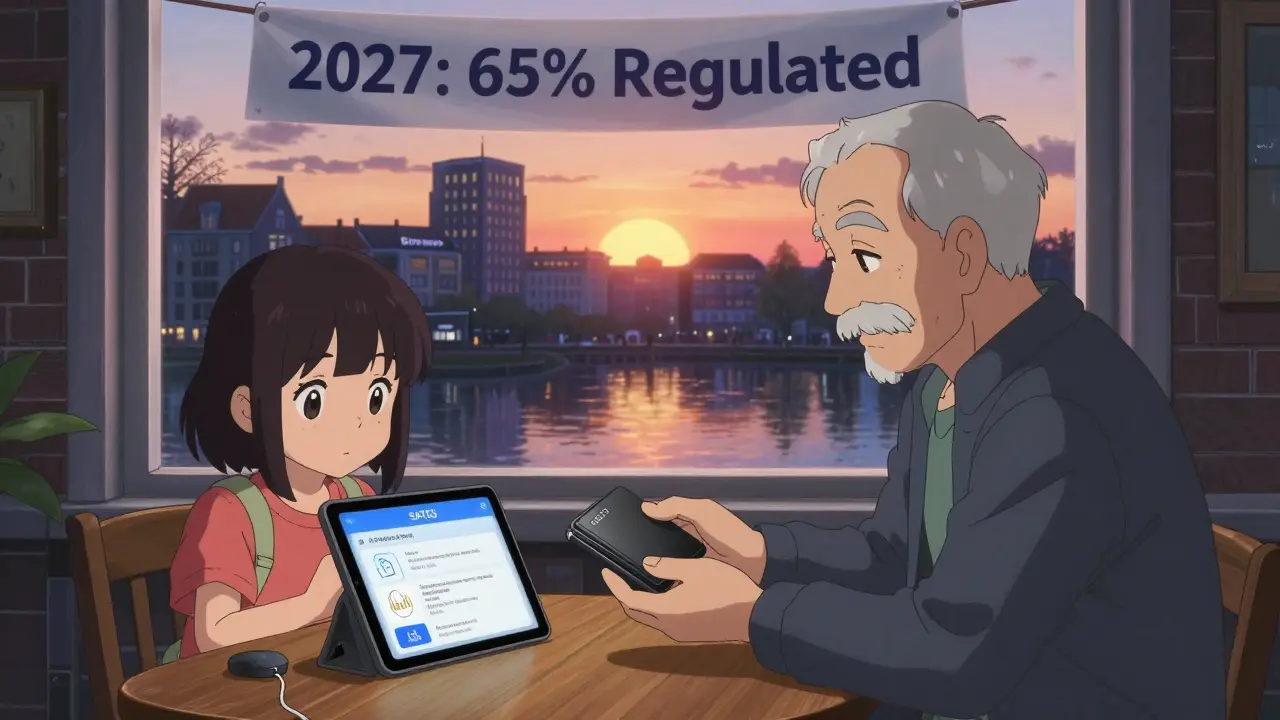
In Q3 2024, SATOS held 22% of the Dutch crypto exchange market. Bitvavo led with 31%, Bitonic at 38%. But here’s the trend: regulated exchanges are growing. Since 2022, crypto ownership in the Netherlands jumped 47%. Now, over 2.1 million Dutch people own crypto. And Deloitte predicts 65% of new users will pick regulated platforms like SATOS by 2027. Why? Because the Dutch government is cracking down. Starting January 1, 2025, all exchanges must implement stricter IP blocking and file SARs faster. SATOS is already ready. Unregulated platforms? They’re scrambling. Some may shut down. PwC’s 2024 report found that regulated exchanges have an 82% chance of surviving five years. Unregulated ones? Only 45%. SATOS isn’t the cheapest. But it’s one of the most likely to still be here in 2030.How to Get Started
If you’re in the Netherlands and want to try SATOS:- Go to the SATOS website - only available in Dutch.
- Click “Register” and enter your Dutch email and phone number.
- Upload a photo of your Dutch ID (passport or driver’s license) and a selfie holding it.
- Wait 1-3 business days for verification.
- Once approved, deposit euros via bank transfer.
- Enable 2FA using Google Authenticator - do not use SMS.
- Start trading.
Final Thoughts
SATOS isn’t perfect. It’s slow. It’s expensive. It’s Dutch-only. But it’s one of the few crypto exchanges in Europe where you can be sure your money is protected by real financial regulators. For Dutch residents who prioritize safety over savings, SATOS isn’t just a good choice - it’s the smartest one.If you’re planning to hold crypto for years, not trade it daily, SATOS gives you something most platforms don’t: legal backing. In a world full of shady exchanges, that’s worth paying for.
Is SATOS a safe crypto exchange?
Yes, SATOS is one of the safest crypto exchanges in the Netherlands. It’s regulated by De Nederlandsche Bank (DNB), which requires strict compliance with anti-money laundering rules, regular security audits, and cold storage of most user funds. This oversight reduces the risk of fraud or platform failure. In 2024, regulated exchanges like SATOS had 68% fewer security incidents than unregulated ones, according to Chainalysis.
Does SATOS support English?
No, SATOS only offers its platform and customer support in Dutch. This includes the website, app, help center, and email responses. Non-Dutch speakers will need to use translation tools or have someone assist them. This is a major drawback for expats or international users.
What are SATOS’s trading fees?
SATOS charges a flat 1% fee on all trades - whether you’re buying or selling. There are no volume discounts or maker-taker pricing. This is higher than competitors like Bitvavo (0.15-0.25%) or Bitonic (0.25%), but it reflects the cost of regulatory compliance under Dutch law.
Can I deposit crypto directly into SATOS?
No. SATOS only allows fiat deposits in euros via bank transfer. You cannot deposit Bitcoin, Ethereum, or any other cryptocurrency directly. You must first buy crypto using euros, then you can trade it on the platform.
How long does verification take on SATOS?
Verification typically takes 1-3 business days. You’ll need to upload a photo of your Dutch ID and a selfie holding it. The process is manual and slower than automated systems on global exchanges like Binance. Once approved, you can deposit euros and start trading.
Is SATOS better than Bitvavo or Bitonic?
It depends on your priorities. Bitvavo and Bitonic have lower fees and faster payment options like iDEAL. But SATOS has stronger regulatory oversight from DNB, which means higher compliance standards and lower risk of shutdown. If safety and legal protection matter most, SATOS wins. If speed and low cost matter more, Bitvavo or Bitonic are better.
Does SATOS offer mobile apps?
Yes, SATOS has mobile apps for iOS and Android. But they’re only available in Dutch. The interface is simple and functional, but lacks advanced trading tools like limit orders or stop-losses. It’s designed for basic buying and selling, not active trading.
What payment methods does SATOS accept?
SATOS only accepts bank transfers in euros. It does not support iDEAL, credit cards, PayPal, or crypto deposits. Bank transfers take 1-3 business days to clear. This is a major limitation compared to other Dutch exchanges that offer instant payment options.
Can I use SATOS if I’m not in the Netherlands?
No. SATOS blocks access from all countries except the Netherlands. Even if you have a Dutch bank account but live abroad, you may be blocked. The platform is designed exclusively for Dutch residents due to its regulatory obligations under DNB.
Will SATOS lower its fees in the future?
Industry analysts expect pressure to reduce fees. Competitors like Bitvavo charge as low as 0.15%, and SATOS’s 1% fee is unsustainable for high-volume traders. CryptoCompare projects SATOS may lower its fee to 0.3-0.5% by 2026 to stay competitive. But any reduction must still cover DNB compliance costs, so a major drop is unlikely.







Comments (13)
Kathy Wood
December 10, 2025 AT 16:52 PMThis is why crypto is a scam!! They charge 1%?? For what?? To fund their Dutch bureaucracy?? I’m not paying extra for a government stamp!!
Albert Chau
December 11, 2025 AT 17:11 PMIt’s funny how people think regulation equals safety. It just means they’re more expensive. You’re paying for compliance, not security. Real security is self-custody. End of story.
Eunice Chook
December 12, 2025 AT 20:23 PMLet’s be real: 1% is a tax on ignorance. If you’re holding long-term, you’re already losing 10% over 10 trades. That’s $100 on $10k. That’s not a fee-it’s a penalty for trusting a middleman.
Abhishek Bansal
December 13, 2025 AT 17:18 PMWait, so you can't even deposit crypto? That's like opening a bank and only accepting cash in one currency? And you call this innovation? 😅
Bridget Suhr
December 15, 2025 AT 04:32 AMOkay but… what if you just want to buy a little BTC and not think about it? SATOS feels like a cozy blanket in a wild storm. Not sexy, but comforting.
Jessica Petry
December 17, 2025 AT 03:56 AMOnly Dutch speakers? And no iDEAL? This isn’t safety-it’s linguistic nationalism. You’re not protecting users, you’re excluding them. How progressive.
JoAnne Geigner
December 18, 2025 AT 05:40 AMI get why people hate the 1% fee-but think about it: if you’re buying crypto for the first time, you don’t want to be hacked. You want someone who’s legally responsible. SATOS might be slow, but it’s not going to vanish overnight. That’s worth something.
I’ve seen friends lose everything on unregulated platforms. SATOS isn’t glamorous, but it’s the adult in the room.
And yes, the Dutch-only interface is annoying-but if you’re in the Netherlands, you should probably learn a bit of Dutch. It’s not that hard.
Also, cold storage? No SMS 2FA? That’s actually professional. Most exchanges still use SMS. That’s like locking your front door with a rubber band.
I’m not a fan of high fees either, but when the alternative is a 2023-style FTX collapse, I’ll take the fee.
It’s like paying more for a car with airbags. You don’t need them until you need them.
And yes, I know Bitvavo is cheaper. But would you trust Bitvavo to defend you in court if they got hacked? I wouldn’t.
Regulation isn’t perfect. But it’s the only thing keeping this whole thing from becoming a Wild West circus.
Patricia Whitaker
December 19, 2025 AT 19:34 PM1%? For a crypto exchange? That’s not a fee, that’s a robbery. Just use Binance. No one cares about DNB. You’re not in a bank, you’re in crypto.
Joey Cacace
December 20, 2025 AT 11:25 AMHi! I just wanted to say that I really appreciate how thoughtful this review is. It’s rare to see someone explain the *why* behind the fees instead of just complaining. Thank you for highlighting the regulatory context-it makes all the difference. 💙
Heath OBrien
December 20, 2025 AT 12:17 PM1% fee. No crypto deposits. Only Dutch. What a joke. 😑
Taylor Farano
December 21, 2025 AT 22:17 PMOh wow, a crypto exchange that’s *actually* regulated? What a novelty. Next they’ll tell us the sun rises in the east. Meanwhile, I’m over here making 10x returns on unregulated platforms. Who’s the fool now?
Kathryn Flanagan
December 22, 2025 AT 19:37 PMLook, I get it. You want safety. You want to sleep at night. You don’t want to be one of those people who lost everything in 2022. But let’s be honest-SATOS is basically a glorified bank with a crypto button. It’s not for people who want to grow wealth. It’s for people who want to not lose it. And that’s fine. But don’t pretend it’s a trading platform. It’s a vault. And vaults don’t make you rich-they just keep you from being poor.
Also, the fact that you need to speak Dutch to use it? That’s not a feature. That’s a bug. If you’re trying to onboard new users, you don’t gatekeep them with language. You translate. You adapt. You make it easy. SATOS is stuck in 2020.
And yes, cold storage is great. But so is Bitvavo’s. And Bitvavo lets you use iDEAL. And their fee is a quarter of this. So why are we pretending SATOS is the only safe option? It’s not. It’s just the loudest.
Don’t get me wrong-I’m not saying don’t use it. I’m saying: use it if you’re a beginner, if you’re risk-averse, if you don’t care about speed or cost. But don’t act like it’s the pinnacle of crypto innovation. It’s not. It’s a safety net. And safety nets are for falling, not flying.
Also, the fact that they don’t support crypto deposits means you’re always one bank transfer away from being locked out. That’s not security. That’s friction. And friction kills adoption.
So yeah, SATOS is safe. But safety without access isn’t freedom. It’s just a cage with a nice sign on it.
Steven Ellis
December 24, 2025 AT 12:21 PMThere’s something deeply admirable about SATOS-not because it’s flashy, but because it’s stubbornly responsible. Most exchanges chase growth at all costs. SATOS? It’s playing the long game. It’s betting that trust, not speed, will win in the end.
The 1% fee? It’s not a rip-off. It’s a subscription to peace of mind. You’re not paying for trading tools-you’re paying for auditors, lawyers, cold storage engineers, and compliance officers who work 24/7 so your money doesn’t vanish.
And yes, the Dutch-only interface is frustrating. But here’s the thing: if you’re a Dutch resident, you’re already in a country that takes financial integrity seriously. Maybe it’s not about making SATOS more accessible to foreigners-it’s about making foreign users respect the local framework.
Think of it like this: if you moved to Japan and wanted to open a bank account, you wouldn’t demand the forms be in English. You’d learn the system. SATOS is the same. It’s built for the Dutch financial ecosystem. That’s not exclusion-it’s alignment.
And the cold storage? 85%? That’s more than most exchanges. The fact they ban SMS 2FA? That’s elite-level security. Most platforms still use it. They’re one SIM-swap away from disaster.
Yes, withdrawals take 3 days. But when was the last time you heard of a DNB-regulated exchange getting hacked? Exactly.
And if you’re trading $10k a day? Then SATOS isn’t for you. But if you’re buying $200/month to build a long-term stack? Then paying $2 extra per trade for legal protection? That’s not expensive. That’s wisdom.
The real question isn’t ‘Is SATOS good?’ The question is: ‘Do you want to be the person who lost everything because they chose low fees over legal backing?’
Because in 2025, when the next FTX happens, the people who used SATOS will be the ones still holding their crypto… and laughing.