


The PSWAP airdrop from PorkSwap.finance offered free tokens but no trading platform. As of 2026, the token has zero value, zero supply, and no active development - a cautionary tale for DeFi airdrop hunters.

Spectra (APW) is a DeFi protocol that tokenizes future yield, letting users trade interest income like a financial asset. Unlike regular crypto coins, APW enables fixed rates and hedging in lending markets - not payments or speculation.

The EU is banning Monero and Zcash from all regulated crypto services by July 2027. Here's what it means for users, exchanges, and the future of privacy coins in Europe.

SwapRocket is a no-KYC crypto exchange for cross-chain swaps in 2026. No sign-up, no ID, no delays. Just pick your tokens, send, and receive. Perfect for users tired of KYC and complex bridges.

South Korea's FSC enforces strict crypto exchange rules: real-name verification, KISA security certs, and the Travel Rule. Spot ETFs and corporate crypto holdings are set to launch in 2025-2026, making Korea a global regulatory leader.

Fabienne (FABIENNE) is a crypto token tied to a fictional frog character from a comic series, not a real cryptocurrency. As of 2026, it has zero trading volume, inconsistent pricing, and no development - making it a dead asset with no investment value.

The KALATA X CoinMarketCap airdrop gave 20,000 KALA tokens to users who completed simple steps. It was a smart, low-risk way to build a real DeFi user base - not just hype. Here's what happened and why it still matters.
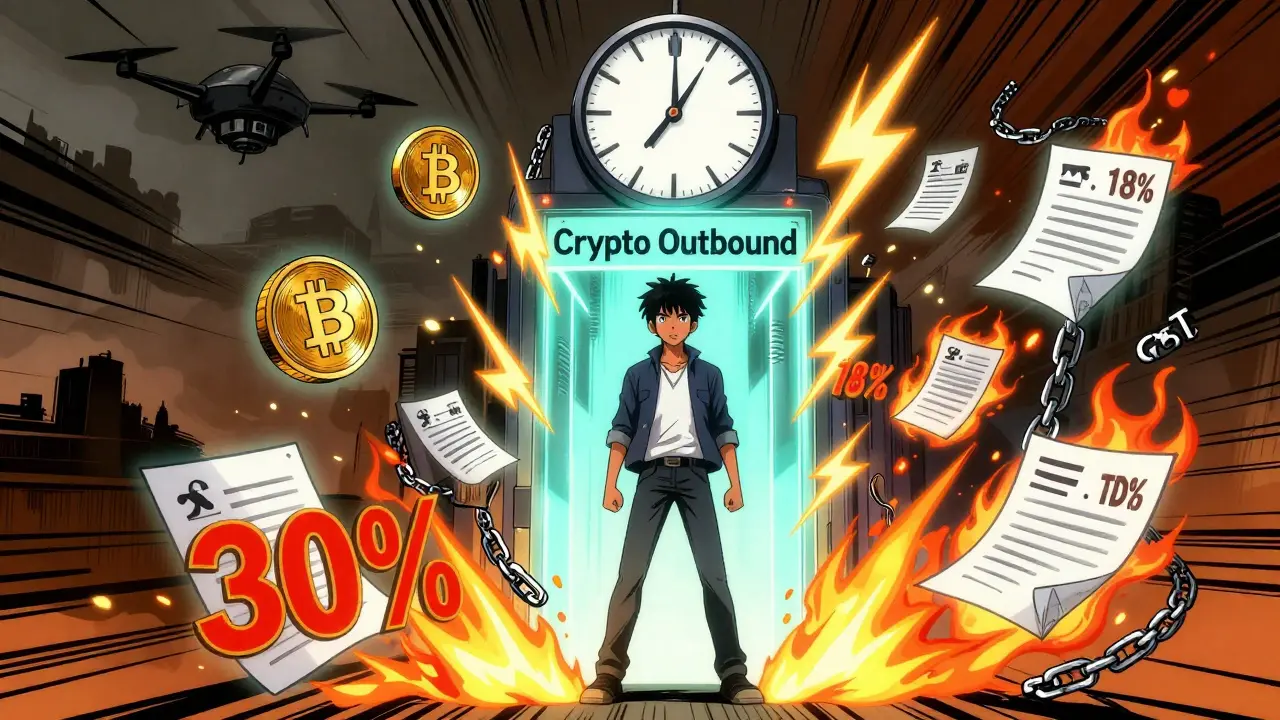
Moving crypto assets abroad from India involves strict tax rules, FEMA compliance, and mandatory reporting. Learn the penalties, thresholds, and real risks in 2026.

China has banned all cryptocurrency activities as of 2025, making trading, mining, and ownership illegal. The state promotes its digital yuan instead, enforcing strict penalties for any crypto-related activity.

The GMPD airdrop by GamesPad shifted from free token giveaways to NFT-based access in 2025. In 2026, earning GMPD requires holding, staking, or participating in official campaigns - not random giveaways.

Cryptocurrency taxation in 2026 is stricter than ever. Form 1099-DA now tracks every trade, wallet-by-wallet accounting is mandatory, and NFTs face higher tax rates. Know how to report, reduce, and stay compliant.

Small nations like Switzerland, the UAE, and Singapore are setting the global standard for crypto regulation with clear laws, smart taxation, and institutional trust - outpacing larger economies in innovation and adoption.