

BNU Token Value Calculator
About This Tool
Calculate the current value of your BNU tokens from the ByteNext airdrop. Each winner received 25 tokens. Note: The BNU token is no longer listed on major exchanges and has minimal trading volume.
According to the article, BNU is trading at approximately $0.0006 per token as of December 2025, with a market cap of around $120,584.
Enter any price to see what your tokens would be worth. The actual market price is approximately $0.0006.
Your 25 BNU tokens would be worth:
$0.00
Current market conditions may change
Important Note: The BNU token was distributed during the ByteNext airdrop in July 2025. It's no longer listed on major exchanges, and trading volume is minimal. If you have BNU tokens, they're likely a digital artifact rather than an active investment.
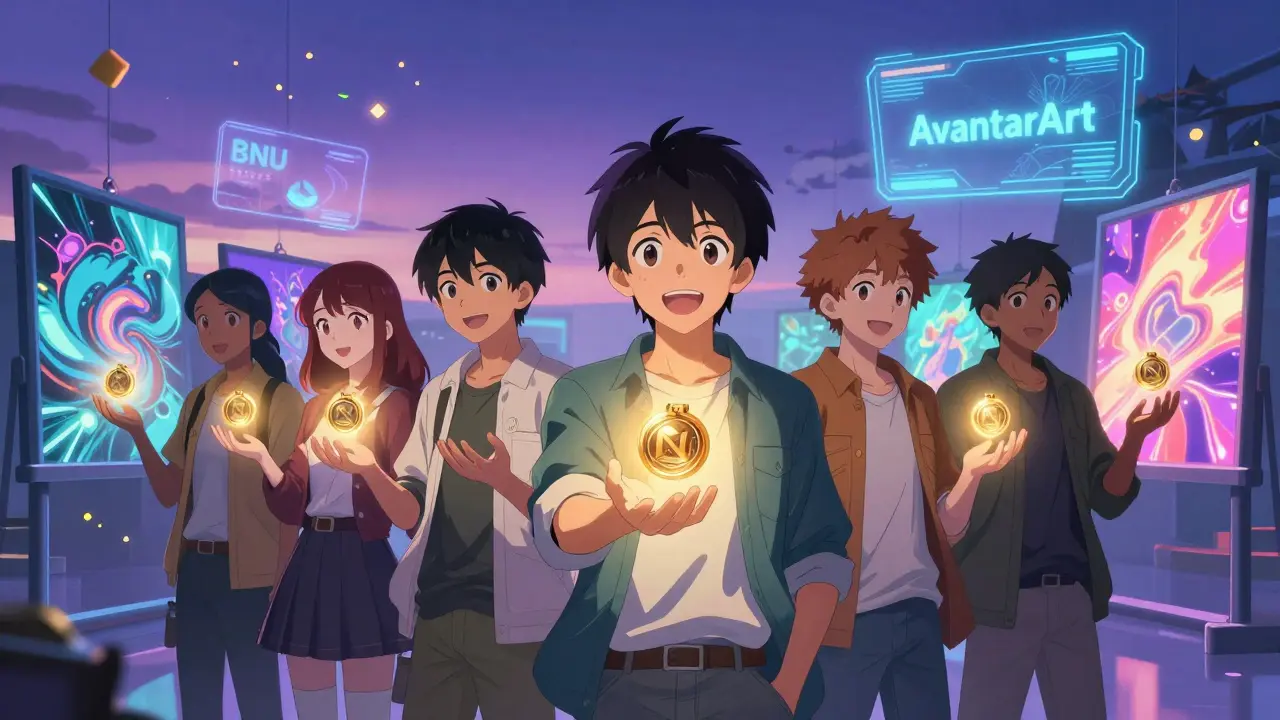
The BNU airdrop by ByteNext was never meant to make people rich. It was meant to build a community. And for a short time, it did. In July 2025, ByteNext handed out 25,000 BNU tokens to 1,000 lucky participants-25 tokens each-through CoinMarketCap. If you were one of them, you got free tokens. But if you’re checking now, wondering if you can still claim them or if they’re worth anything, the answer is simple: the airdrop is long over, and the token is barely trading.
What Was the ByteNext BNU Airdrop?
ByteNext launched the BNU airdrop to kickstart its AvatarArt NFT marketplace. The idea was simple: artists could upload their work, turn it into an NFT, and sell it directly on a decentralized platform built on Binance Smart Chain. No middlemen. No high fees. Just creators and collectors. But no one would use the platform unless they had tokens. So ByteNext gave them away. The airdrop ran from July 3 to July 8, 2025. To enter, you had to complete five tasks:- Add BNU to your CoinMarketCap watchlist
- Follow both @Bytenextio and @zeusc_ventures on Twitter
- Join the official Telegram group and announcement channel
- Retweet the campaign post and tag at least five followers
- Have a Binance Smart Chain wallet ready
What Could You Do With BNU Tokens?
BNU wasn’t just a promo token. It was the fuel for the AvatarArt ecosystem. Here’s what it could do:- Pay transaction fees when selling or buying NFTs
- Buy ad space in virtual 3D art galleries
- Pay artists directly for usage rights when their work was resold
- Stake tokens to earn rewards from liquidity pools
- Vote on which NFTs got featured on the homepage
- Propose and vote on platform updates
How Many Tokens Were There? And Who Got Them?
The total supply of BNU is 200 million tokens. The airdrop distributed 25,000 of them-just 0.0125% of the total. That’s not a lot. But for 1,000 people, it was 25 tokens each. At the time, that was worth around $0.15 per person. Not life-changing, but enough to get someone curious. The project didn’t dump tokens on exchanges. They didn’t give them to influencers. They gave them to people who actually followed the rules. That’s rare. Most airdrops are flooded with bot accounts. ByteNext used CoinMarketCap’s system, which required real social media activity. That kept the list cleaner than most.What Happened After the Airdrop?
Here’s the hard truth: the platform never took off. By December 2025, BNU isn’t trading on Binance, Coinbase, or any major exchange. Trading volume on CoinGecko is under $5 per day. The price? Around $0.0006. That’s 99.9% below its all-time high of $0.000741. The market cap? Just $120,584. For a project with 200 million tokens in circulation, that’s a ghost town. The website, bytenext.io, still loads. The Twitter account still posts-but rarely. The Telegram group has 3,000 members, but only a handful chat. GitHub hasn’t been updated since August 2025. There are no new NFTs listed on AvatarArt. No new artists joining. No new features. No announcements. The airdrop was a spark. But there was no fuel to keep it burning.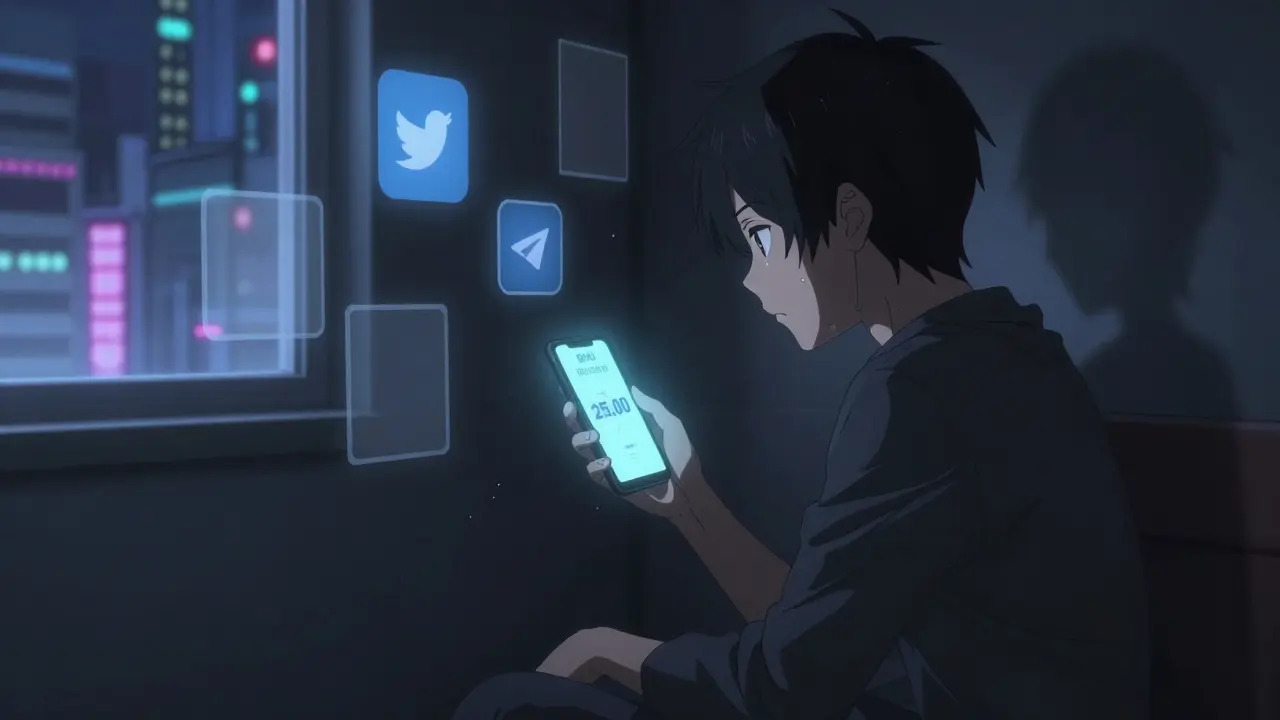
Why Did It Fail?
It wasn’t the tech. The idea was solid. Binance Smart Chain was cheap. NFT marketplaces were hot. AvatarArt had real potential. The problem was execution. ByteNext didn’t build a community. They built a checklist. People joined for the free tokens, not the platform. Once the tokens arrived, most people cashed out-or ignored them. No one stuck around to use the marketplace. There was no marketing push after the airdrop. No artist outreach. No partnerships with galleries. No content. No updates. Just silence. Compare that to other NFT projects like SuperRare or Foundation. They didn’t just give away tokens. They hosted live exhibitions, interviewed artists, ran contests, built real relationships. ByteNext treated users like numbers. And the market noticed.Is There Still Value in BNU Tokens?
Technically, yes. If you still hold BNU, your wallet still has them. You could, in theory, send them to a wallet that supports BSC. But there’s no exchange to sell them. No DEX with liquidity. No buyers. Some people hold them as a curiosity. Others hope the project will come back. But there’s zero evidence of that. No team updates. No roadmap revisions. No hiring. No new code commits. If you got BNU in the airdrop and still have it, you’re holding a digital artifact. Not an investment. A relic.What Can You Learn From This?
This isn’t a story about a failed token. It’s a story about what happens when you confuse participation with adoption. Airdrops aren’t free money. They’re a tool. Used right, they build communities. Used wrong, they attract takers-not believers. ByteNext gave away tokens. But they didn’t give away a reason to stay. No one was excited about the platform. No one felt part of it. No one cared enough to post their art there. If you’re thinking about joining a future airdrop, ask yourself: Do I believe in this project? Or am I just here for the free tokens? The answer tells you everything.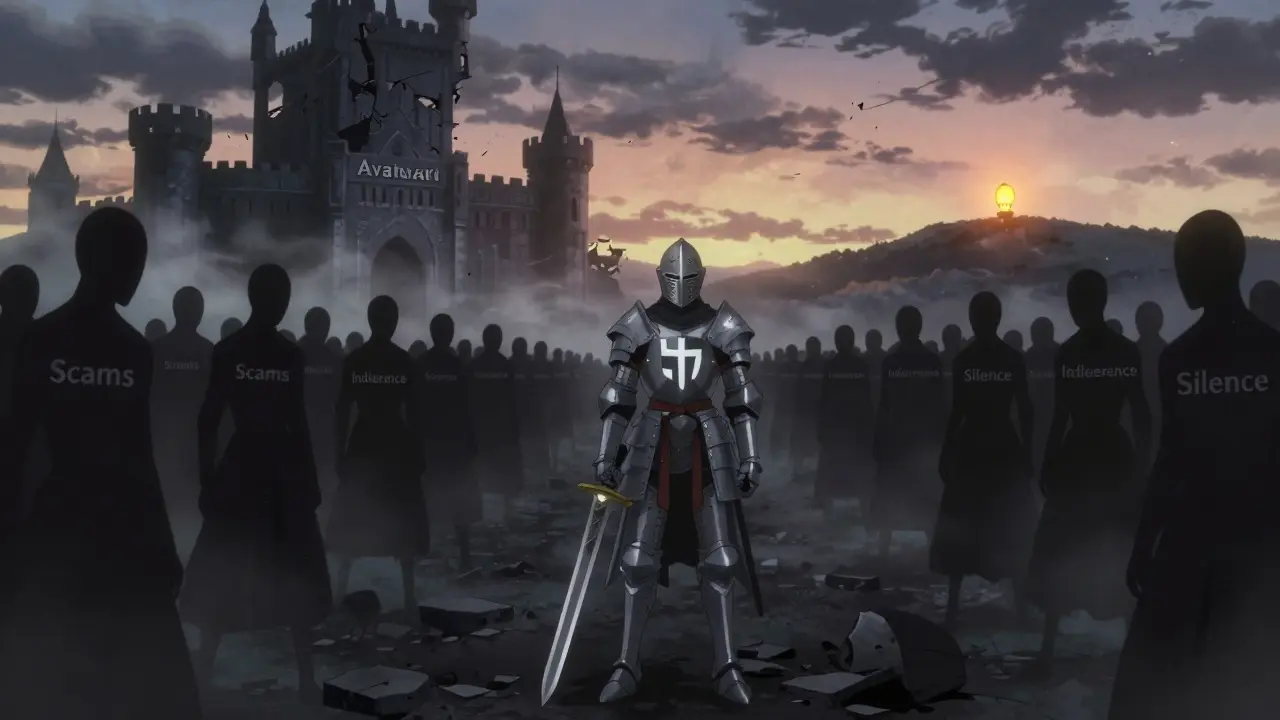
Where Is ByteNext Now?
The official channels still exist. But they’re quiet. The website shows the AvatarArt logo. The Twitter feed has one post from October. The Telegram group has 20 active users out of 3,000. The GitHub repo hasn’t been touched in four months. There’s no official statement saying the project is dead. But there’s no sign it’s alive, either. In crypto, silence is the loudest signal.Should You Still Participate in BNU Airdrops?
No. There are no active airdrops. The campaign ended in July 2025. No new ones are planned. No announcements are coming. If you see someone claiming to run a “new BNU airdrop,” it’s a scam. The real project is inactive. Any new airdrop is fake. Don’t send crypto. Don’t connect your wallet. Don’t click links. Just walk away.Final Thoughts
The BNU airdrop was a quiet experiment. It had structure. It had rules. It had a vision. But it lacked heart. Crypto doesn’t need more airdrops. It needs more projects that care enough to stick around. ByteNext gave away 25,000 tokens. But they didn’t give away trust. And without trust, nothing lasts. If you got BNU, you got a token. And maybe, just maybe, a lesson.Was the ByteNext BNU airdrop real?
Yes, the BNU airdrop was real. It ran from July 3 to July 8, 2025, through CoinMarketCap. 1,000 participants received 25 BNU tokens each after completing social media and wallet setup tasks. Winners were verified and tokens distributed on July 30, 2025.
Can I still claim BNU tokens from the airdrop?
No. The airdrop ended in July 2025. The distribution window closed, and all eligible winners received their tokens by July 30. There are no ongoing or future airdrops for BNU. Any website or social media post claiming otherwise is a scam.
What is BNU used for?
BNU was designed as the utility token for the AvatarArt NFT marketplace. It was meant to be used for paying transaction fees, buying virtual ad space in 3D galleries, paying artists for resale rights, staking for rewards, voting on featured NFTs, and participating in platform governance. None of these functions are active today.
Is BNU still tradable on exchanges?
No. BNU stopped trading on all major exchanges in late November 2025. Trading volume is under $10 per day across all platforms. Binance, Coinbase, and Kraken show zero volume. The token is effectively illiquid. You can’t sell it easily, if at all.
What’s the current price of BNU?
As of December 2025, BNU trades at approximately $0.0006 per token. This is 99.9% below its all-time high of $0.000741. The total market cap is around $120,584, based on its 200 million circulating supply. The price has been flat for weeks, showing no movement or interest.
Should I hold onto my BNU tokens?
If you already have BNU, holding it won’t hurt-but don’t expect returns. There’s no active development, no exchange support, and no community growth. It’s a digital artifact now, not an investment. If you want to recover value, you’d need to find a private buyer willing to pay for it-something nearly impossible.
Is ByteNext still developing the AvatarArt platform?
There’s no evidence of active development. The GitHub repo hasn’t been updated since August 2025. The team hasn’t posted updates since October. No new artists have joined the platform. No new features have been announced. The project appears dormant.
Can I use BNU on other blockchains?
No. BNU is only available on the Binance Smart Chain (BSC). There is no bridge, wrapper, or cross-chain version. You can only hold, send, or receive BNU using a BSC-compatible wallet like MetaMask or Trust Wallet configured for BSC.
How many BNU tokens were distributed in the airdrop?
Exactly 25,000 BNU tokens were distributed in the airdrop. These were split evenly among 1,000 winners, with each receiving 25 tokens. This represented 0.0125% of the total 200 million token supply.
Was the BNU airdrop a scam?
The original airdrop was not a scam. It was a legitimate campaign with verifiable winners and on-chain token distribution. However, the project has since become inactive, and any current airdrop claims are fraudulent. Be cautious of anyone asking for your private key or wallet access-those are scams.


Comments (25)
Stanley Machuki
December 12, 2025 AT 15:10 PMBNU was never about the money. It was about the experiment. And honestly? It worked. We got a real glimpse into how airdrops can attract takers, not builders. The real loss isn't the tokens. It's the missed chance to create something meaningful.
Kurt Chambers
December 12, 2025 AT 22:14 PMcrypto is dead if you think airdrops = community. these guys gave away free shit and expected people to care. dumb. america built empires on value not free tokens. wake up.
Kelly Burn
December 13, 2025 AT 05:20 AMsooo... we're just supposed to believe in the *vibe* now? 🤔✨ BNU was the OG crypto ghost story - 25 tokens, zero engagement, and a whole lot of silent wallets. still holding mine like a crypto fossil. 🪦💎
John Sebastian
December 14, 2025 AT 11:10 AMThe project didn't fail because of tech. It failed because it treated people like data points. No empathy. No storytelling. No reason to stay. That's not a crypto problem. That's a human problem.
Candace Murangi
December 15, 2025 AT 01:59 AMI remember when I got my 25 BNU. Thought it was cool. Didn't even check the wallet for months. Then I opened it last week. Still there. Funny how something so small can carry so much meaning. Not value. Meaning. Like a postcard from a trip you never took.
Albert Chau
December 15, 2025 AT 16:19 PMPeople think they're getting rich with airdrops. They're not. They're getting a digital receipt for their own gullibility. ByteNext didn't fail. The crowd did. They wanted free money, not a movement.
Jessica Petry
December 17, 2025 AT 08:38 AMHow is this even still being discussed? The token is worth less than the gas fee to move it. This isn't a cautionary tale. It's a footnote. A typo in the blockchain history book. Move on.
Scot Sorenson
December 17, 2025 AT 13:38 PMLet me get this straight - you gave away 25 tokens to 1,000 people and expected them to become your community? Not your marketing team? Not your developers? Not even your beta testers? You thought people would build your dream while you slept? That’s not naive. That’s delusional.
Ike McMahon
December 17, 2025 AT 22:52 PMDon’t write off the airdrop. It worked exactly as designed. It filtered out the bots and attracted real people. The problem wasn’t the airdrop. It was the silence after. That’s on ByteNext. Not the users.
Anselmo Buffet
December 19, 2025 AT 06:07 AMI still have my BNU. Not because I think it'll rise. But because I remember the hope. That moment when you thought maybe this time it’d be different. Maybe this time the tech would actually serve people. It didn't. But I'm not mad. Just sad.
Joey Cacace
December 20, 2025 AT 18:02 PMIt’s heartbreaking, really. The infrastructure was there. The vision was clear. But no one showed up - not because they didn’t care, but because no one asked them to. No invites. No warmth. Just a checklist. And that’s why it died.
Taylor Fallon
December 21, 2025 AT 01:34 AMwe used to believe in this stuff, yknow? not because we thought we'd get rich... but because we thought we'd build something together. bnu was a spark. and then... nothing. no fire. no smoke. just a cold ash. and now we're all just... scrolling. waiting for the next shiny thing. sad.
PRECIOUS EGWABOR
December 21, 2025 AT 08:46 AMOh honey. You thought this was a project? Nah. It was a marketing stunt with a blockchain skin. And the only thing it built was a graveyard of wallets. Congrats. You just funded your own digital tombstone.
Kathleen Sudborough
December 22, 2025 AT 21:48 PMI still check the Telegram group once a month. Just to see if anyone’s alive. Last time, someone posted a meme of a ghost holding a BNU token. Got 3 likes. One from me. One from a bot. One from... I think it was the project’s last admin. I cried a little. Not because of the money. Because of the silence.
Taylor Farano
December 23, 2025 AT 01:31 AMSo you gave away 25 tokens to 1,000 people and expected them to become your entire user base? Did you also think they’d cook your meals and walk your dog? This isn’t Web3. This is delusion with a whitepaper.
Toni Marucco
December 24, 2025 AT 23:38 PMThe tragedy isn't that BNU failed. It's that it had everything - the chain, the utility, the distribution model. It just lacked the soul. No one felt seen. No one felt chosen. No one felt like they were part of a story. And in crypto, that’s the only currency that lasts.
Kathryn Flanagan
December 26, 2025 AT 06:27 AMLet me tell you something. I’ve been in crypto since 2017. I’ve seen a hundred airdrops. I’ve held coins that went to zero. I’ve watched projects vanish. But BNU? BNU was different. It didn’t crash. It just... faded. Like a photo left in the sun. No explosion. No drama. Just slowly, quietly, disappearing. And that’s the worst kind of death. Because no one even noticed until it was gone.
amar zeid
December 26, 2025 AT 11:30 AMWhat’s funny is, I did all five tasks. I followed. I retweeted. I joined. I even made a BSC wallet just for this. Got the tokens. Didn’t sell. Still have them. Not because I’m dumb. But because I still believe in the idea. Maybe one day someone will pick it up. Maybe not. But I’ll keep holding. For the idea. Not the token.
Alex Warren
December 26, 2025 AT 11:33 AMProject failed because it confused participation with adoption. Task completion ≠ loyalty. Social media activity ≠ community. Airdrop ≠ product-market fit. The metrics were all wrong. And no one noticed until it was too late.
Nicholas Ethan
December 28, 2025 AT 03:52 AMAnalysis: BNU’s failure is a textbook case of misaligned incentives. Token distribution was optimized for compliance, not engagement. No retention mechanisms. No feedback loops. No incentive structure beyond the initial claim. The economic model was not designed for sustainability. It was designed for optics. The absence of post-distribution activity is not anomalous. It is predictable. The project exhibited zero network effects. No critical mass. No flywheel. The token was a static artifact, not a dynamic utility. Conclusion: the failure was structural, not circumstantial.
Kathy Wood
December 29, 2025 AT 00:27 AMHOW DARE YOU CALL THIS A "LESSON"?!?!? This is a SCAM waiting to happen again. People are already打着 BNU airdrops on Telegram. STOP GLORIFYING THIS! IT’S NOT A STORY. IT’S A TRAP.
Rakesh Bhamu
December 30, 2025 AT 17:39 PMMany of us joined because we believed in artists having control. That part still matters. Even if the platform is gone, the idea isn’t. Maybe someone else will build it better. We didn’t fail. We just planted seeds in dry soil. The soil wasn’t ready. But the seeds? Still alive.
Hari Sarasan
December 31, 2025 AT 13:38 PMLet us not mince words: this was a catastrophic governance failure. The tokenomics were superficial, the community-building was performative, and the leadership exhibited a pathological aversion to transparency. The absence of quarterly updates, the silence on GitHub, the abandonment of the roadmap - these are not oversights. They are indictments. The project did not merely stall. It was euthanized by its own inertia. The 25,000 tokens distributed were not a gift. They were a funeral offering.
Lynne Kuper
December 31, 2025 AT 17:11 PMWait - so you’re saying if you just *talked* to people instead of just giving them tokens, it might’ve worked? Who knew? 🤦♀️
Lloyd Cooke
January 1, 2026 AT 10:00 AMThe most haunting part? The token still exists. The wallet addresses still hold it. The blockchain still records it. But the meaning? The purpose? The people? Gone. We didn’t lose a currency. We lost a collective hope. And that’s harder to recover than any price chart.