


Imagine waking up to find that your country’s currency just changed. Not by decree of a central bank adjusting interest rates, but because the President decided it was time to switch from dollars to code. That is exactly what happened in El Salvador, which became the first nation on Earth to make Bitcoin legal tender alongside the US dollar. It sounded like a bold leap into the future, promising financial freedom for the unbanked and cheaper remittances for millions. But fast forward to September 2026, and the story has taken a sharp turn. The experiment didn’t go as planned. In fact, it recently faced a major reversal due to international pressure. So, what actually went wrong? And why does this matter for anyone interested in how money works?
The Big Switch: How It All Started
On September 7, 2021, President Nayib Bukele signed the Bitcoin Law into effect. The goal was clear: boost financial inclusion and attract tech investment. To make this happen, the government launched Chivo, a digital wallet app designed to let people spend Bitcoin easily. They even sweetened the deal by giving every citizen $30 in free Bitcoin if they downloaded the app.
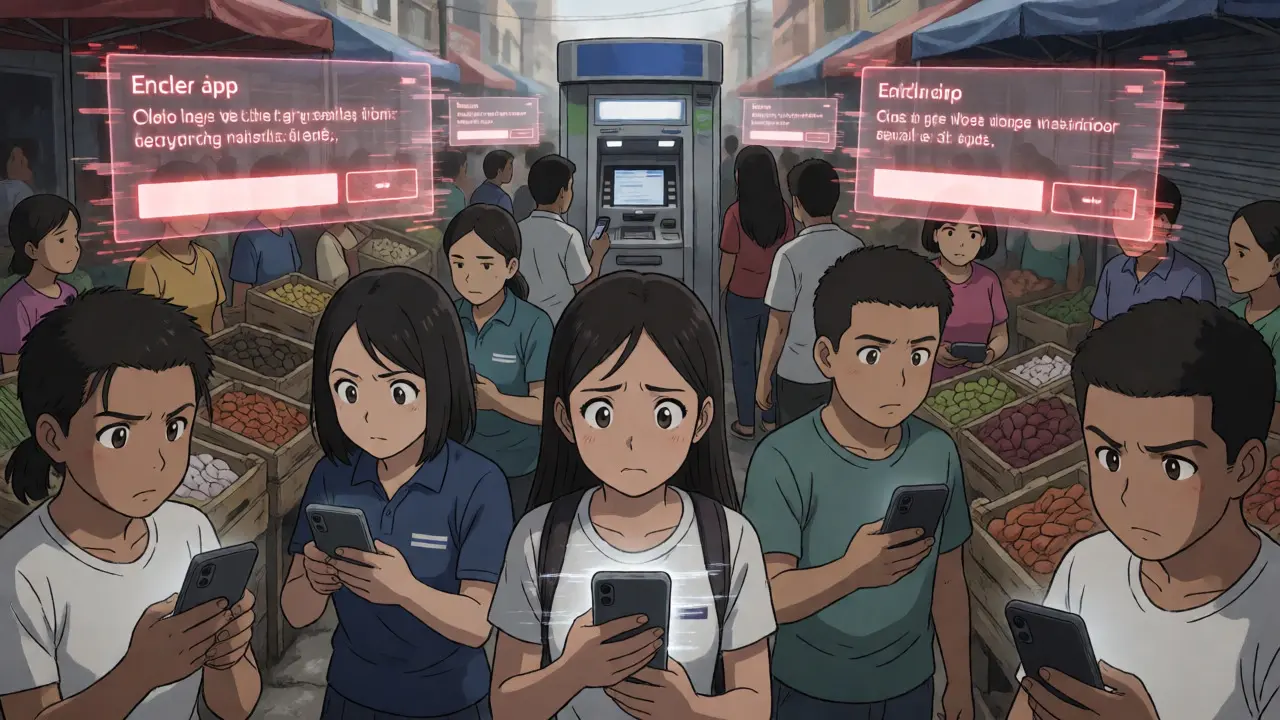
The launch wasn’t smooth. On day one, the Chivo servers crashed under the weight of eager users. Simultaneously, Bitcoin prices dipped, causing an immediate paper loss for the state treasury. Despite these hiccups, the download numbers were impressive. Within a month, three million people had installed Chivo. That’s nearly half the population. But here is the catch: downloading an app isn’t the same as using it. While wallets multiplied, actual transactions remained sparse. Most Salvadorans still preferred the stability of the US dollar for buying groceries or paying rent.
Why People Didn’t Buy In
You might wonder why such a historic change failed to stick. Volatility is the obvious answer. Imagine trying to pay your electricity bill with an asset whose value swings 10% in a single afternoon. For small business owners and daily wage earners, that risk was too high. A study conducted shortly after implementation showed that only 12% of consumers actively used cryptocurrency for payments. Meanwhile, 93% of surveyed companies reported receiving zero Bitcoin payments in their first month.
There was also a trust issue. The Chivo wallet suffered from technical bugs and security concerns. If you couldn’t rely on the technology to work when you needed it most, why bother switching? Furthermore, many citizens felt the move was more about political branding than economic necessity. Protests erupted outside the Supreme Court, signaling that a significant portion of the public wasn’t on board with forcing a new monetary standard.
The IMF Intervention and Policy Reversal
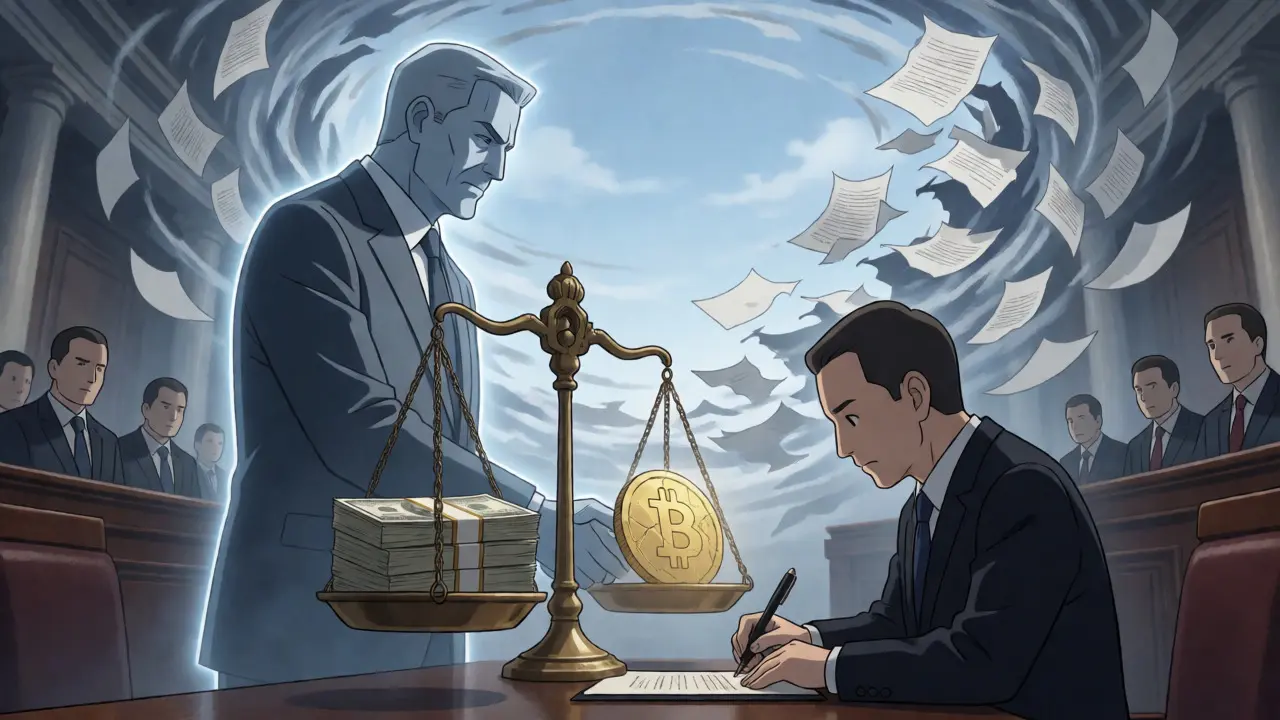
The turning point came from Washington, not San Salvador. The International Monetary Fund (IMF) grew increasingly concerned about El Salvador’s fiscal health. The IMF argued that treating a volatile asset as official currency created unnecessary risks for the economy. To secure a critical $1.4 billion loan package, El Salvador had to make concessions.
In January 2025, the Legislative Assembly voted overwhelmingly-55 to 2-to modify the original Bitcoin Law. The changes took effect in May 2025. The word "currency" was removed from Bitcoin’s legal definition. More importantly, businesses were no longer obligated to accept Bitcoin. You could still use it if both parties agreed, but you couldn’t be forced to take it. Taxes and state bills could no longer be paid in crypto. This shift marked a retreat from mandatory adoption to voluntary usage.
What Happened to the Government’s Bitcoin?
Just because the law changed doesn’t mean the government sold everything. In fact, El Salvador kept its Strategic Bitcoin Reserve. As of early 2025, the country held over 6,000 Bitcoin. With market prices fluctuating, the value of this stash hovered around $500 million at various points. The government continued to buy more coins, viewing them as a long-term store of value rather than a daily spending tool.
This distinction is crucial. The state stopped pushing Bitcoin as everyday money but maintained it as a reserve asset. Think of it like gold bars in a vault. You don’t use gold bars to buy coffee, but you hold them because you believe they retain value over decades. Economist Rafael Lemus noted that the initial attempt to force Bitcoin into existence as a primary currency was flawed. "It should have always been that way," he observed, referring to voluntary adoption. "But the government tried to force it, and it didn’t work."
Lessons for the Crypto World
El Salvador’s journey offers a masterclass in the difference between technological capability and social acceptance. Just because you can build a payment network doesn’t mean people will use it. Financial systems run on trust, not just code. When trust is low-or when volatility threatens household budgets-people revert to what they know.
The experience also highlighted the power of international financial institutions. No matter how innovative a local policy might be, global economic pressures often dictate outcomes. The IMF’s leverage forced a pragmatic adjustment, proving that national experiments don’t exist in a vacuum.
For other countries watching from the sidelines, the message is clear: gradual, market-driven adoption beats top-down mandates. Letting businesses choose whether to accept crypto creates organic demand. Forcing them to do so creates resentment and inefficiency.
Current Status in 2026
Today, El Salvador remains a crypto-friendly hub. It hosts major events like the PLANB Forum, attracting investors and developers from across Central America. Tourism has benefited from the brand recognition, even if the economic impact was mixed. The Chivo wallet still exists, though its role has diminished. It serves those who want to engage with crypto voluntarily, rather than serving as a mandatory utility for everyone.
The broader lesson? Money is sticky. Changing how people think about value takes more than a signature on a law. It requires years of consistent utility, stability, and trust. El Salvador proved that while you can legislate legality, you cannot legislate adoption.
| Feature | Original Law (2021-2025) | Modified Law (Post-May 2025) |
|---|---|---|
| Legal Status | Legal Tender / Currency | Legal Tender (but not "Currency") |
| Business Obligation | Mandatory Acceptance | Voluntary Acceptance |
| Tax Payments | Allowed in Bitcoin | Prohibited (USD only) |
| State Bills | Payable in Bitcoin | Must be paid in USD |
| Government Role | Promoted via Chivo Wallet | Reduced direct promotion |
Is Bitcoin still legal tender in El Salvador?
Yes, technically. However, the definition changed in 2025. While it retains some legal tender status, the obligation for businesses to accept it was removed. It is now effectively a voluntary payment method, similar to how credit cards are accepted by choice, not mandate.
Why did El Salvador reverse its Bitcoin policy?
The primary driver was pressure from the International Monetary Fund (IMF). To secure a $1.4 billion loan, El Salvador agreed to modify its laws to reduce financial risk. Low public adoption and volatility issues also played significant roles in making the original mandate impractical.
Did the Chivo wallet fail?
Not entirely. It achieved high download numbers initially, showing interest. However, sustained active usage remained low compared to traditional banking methods. Technical glitches and lack of merchant support limited its utility as a primary payment tool.
Does the government still own Bitcoin?
Yes. El Salvador maintains a Strategic Bitcoin Reserve containing thousands of coins. They view this as an investment asset rather than operational cash flow. The government continues to purchase Bitcoin periodically despite the legal changes.
Can tourists use Bitcoin in El Salvador today?
Tourists can try, but acceptance is inconsistent. Since businesses are no longer required to accept it, you must check beforehand. Many hotels and larger venues may still offer it as an option, but smaller shops likely prefer US dollars.