

Have you seen the rumors about the Binopoly cryptocurrency token airdrop? You are not alone. In June 2026, the search for free crypto tokens is hotter than ever, but so are the scams designed to steal your wallet funds. If you are looking for details on the BINO airdrop, you need to separate fact from fiction before you click any links or sign any transactions.
The reality is that information regarding a major, official Binopoly (BINO) airdrop is extremely scarce. Unlike massive projects like Nillion or Initia, which distributed tens of millions of dollars in tokens with clear public roadmaps, Binopoly operates in the shadows of limited data. Most current references point to exchange-specific promotions rather than a broad community distribution. This article breaks down exactly what we know, how you might actually get these tokens, and why you should be incredibly careful.
What Is Binopoly (BINO)?
To understand the airdrop potential, you first need to know what you are dealing with. Binopoly is a cryptocurrency token that trades under the ticker symbol BINO. It is crucial to distinguish this project from other similarly named entities. There is significant confusion in the market between Binopoly and another project called BinoFi, which also uses the BINO ticker. BinoFi has been active in presales and hybrid exchange models, but Binopoly appears to be a distinct entity with its own contract address, partially identified as starting with 0xa2df....
Currently, Binopoly does not have a strong presence on major centralized exchanges like Binance. Instead, it relies on decentralized exchanges (DEXs) and Web3 wallets for trading. This lack of centralized listing means lower liquidity and higher volatility. When an asset isn't listed on a top-tier exchange, it often signals either an early-stage project or one with limited adoption. For airdrop hunters, this means the "free" tokens might not hold much value once they hit your wallet.
How to Participate in Binopoly Airdrop Opportunities
Since there is no single, massive "claim button" event announced by the Binopoly team, your best bet involves participating in platform-specific challenges. The primary avenue mentioned in recent data is through Bitget, a popular crypto exchange.
Bitget frequently runs "Airdrop Challenges" or promotional campaigns where users can earn tokens by completing specific tasks. Here is how you typically approach these opportunities:
- Create and Verify Your Account: Ensure your Bitget account is fully verified (KYC). Unverified accounts are usually excluded from reward distributions.
- Check the Discovery or Airdrop Section: Navigate to the "Airdrop" or "Earn" section within the app. Look specifically for listings mentioning Binopoly or BINO.
- Complete Required Tasks: These often involve depositing a certain amount of USDT, trading specific pairs, or holding tokens for a set period. The requirements change weekly, so check the fine print.
- Monitor Snapshot Dates: Platforms take snapshots of eligible wallets at specific times. Missing the snapshot means missing the reward.
Keep in mind that these are not guaranteed giveaways. They are marketing tools used by exchanges to drive volume. You are essentially paying attention and time in exchange for a chance at small token allocations.
The Danger Zone: Spotting Fake BINO Airdrops
This is the most important section of this guide. Because legitimate information about Binopoly is scarce, scammers fill the void with fake websites and malicious smart contracts. If you see a website claiming you can claim $1,000 worth of BINO tokens instantly, it is a scam. Period.
Here are the red flags to watch for in 2026:
- Unsolicited DMs: Never trust direct messages on Twitter, Telegram, or Discord promising free BINO. Official projects do not DM individuals.
- Phishing Websites: Scammers create sites that look identical to official project pages. Always verify the URL. If the domain looks slightly off (e.g., binopoly-airdrop.com instead of the official site), close it immediately.
- Wallet Connection Requests: Legitimate airdrops rarely ask you to connect your wallet to a new, unknown dApp just to "claim." If a site asks you to approve an unlimited transaction allowance, revoke access immediately using a tool like Revoke.cash.
- Gas Fee Requirements: You should never have to pay a large upfront fee to receive free tokens. Small gas fees for network transactions are normal, but requests for ETH or SOL to "unlock" rewards are theft.
In the broader crypto landscape, successful airdrops like those from Nillion Network ($54 million distributed) or Initia ($37 million distributed) were transparent. They published whitepapers, had clear eligibility criteria based on on-chain activity, and communicated via official channels. Binopoly lacks this level of transparency, which increases the risk profile significantly.
Market Reality: Value and Liquidity of BINO
Let’s talk numbers. Current market data for Binopoly is concerning. On platforms like Bitget, price feeds for BINO often show placeholder values or inactive status. This suggests very low trading volume or technical issues with data aggregation. Price prediction models currently project negligible growth, with some indicators showing $0.00 value projections for 2026 and beyond. While these predictions can be flawed, they reflect the lack of institutional interest and liquidity depth.
| Feature | Major Projects (e.g., Initia) | Binopoly (BINO) |
|---|---|---|
| Transparency | High (Public Roadmap) | Low (Fragmented Info) |
| Exchange Listing | Top Tier (Binance, Coinbase) | Limited (DEX, Bitget Promos) |
| Airdrop Scale | $Millions Distributed | Unknown / Micro-challenges |
| Risk Level | Moderate | High (Scam Potential) |
If you do manage to acquire BINO tokens through Bitget challenges, consider them speculative assets. Do not invest money you cannot afford to lose into buying more BINO, hoping for a pump. The lack of clear utility and low liquidity makes it difficult to sell large amounts without crashing the price.
Alternatives: Where to Find Safer Airdrops in 2026
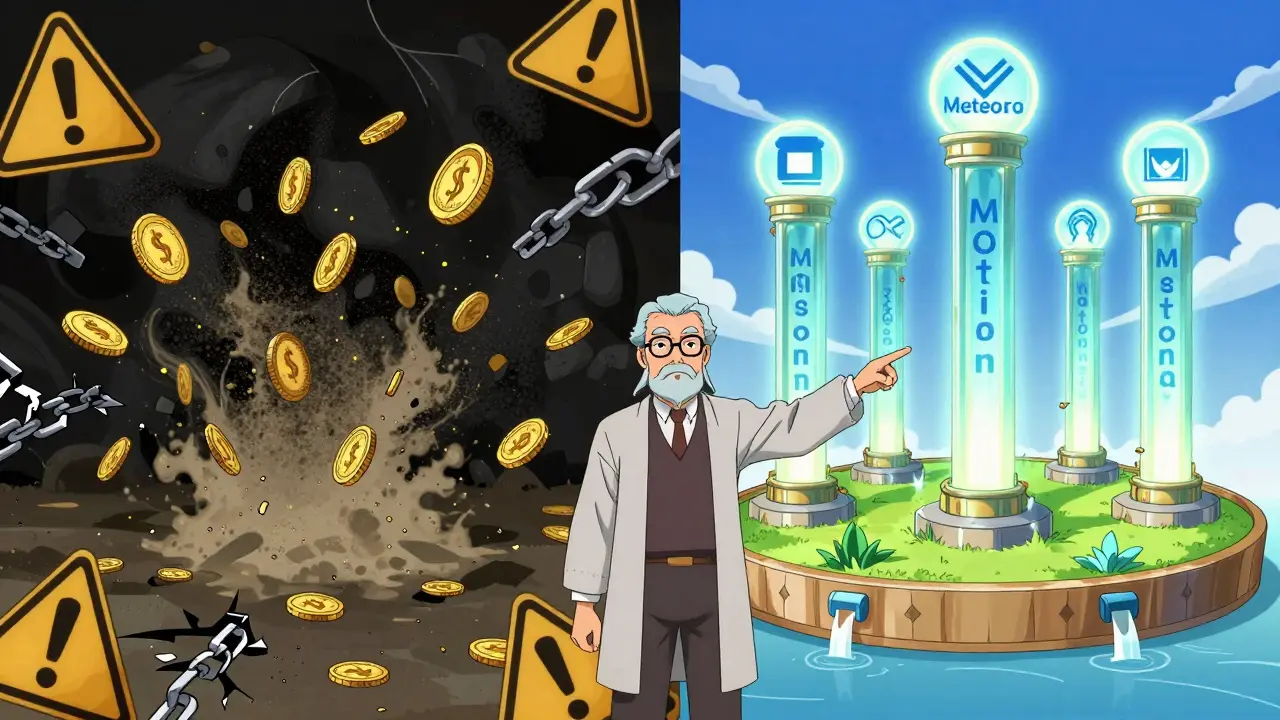
If your goal is to earn free crypto with less risk, you might want to look elsewhere. The crypto space in 2026 is still rich with opportunities, but they require work. Projects like Meteora, Hyperliquid, and Monad have been highlighted as potential candidates for future distributions. These projects have established track records, active development teams, and clear ecosystems.
Instead of chasing obscure tokens like Binopoly, focus on:
- Testnet Participation: Many Layer 1 and Layer 2 networks pay users to test their infrastructure. This is safe because it doesn't involve real money.
- DeFi Protocol Interaction: Using reputable decentralized finance protocols often leads to retroactive airdrops. Providing liquidity or voting on governance proposals builds a verifiable on-chain history.
- Launchpool Events: Exchanges like Binance and Bybit offer Launchpool events where you stake existing tokens (like BNB or USDT) to earn new tokens. This is low-risk and officially supported.
Final Thoughts on the Binopoly Hype
The excitement around Binopoly seems driven more by speculation than substance. Without official announcements, clear utility, or strong exchange support, the "airdrop" narrative is thin. As a cautious investor, I recommend treating any BINO-related opportunity with extreme skepticism. Stick to verified platforms like Bitget for any participation, never share your private keys, and always double-check contract addresses. In the world of crypto, if it sounds too good to be true, it almost certainly is.
Is the Binopoly (BINO) airdrop legit?
There is no evidence of a major, official public airdrop for Binopoly. Most references are to small promotional challenges on exchanges like Bitget. Be wary of websites claiming large free distributions, as these are likely scams.
Where can I buy BINO tokens?
BINO is not available on major centralized exchanges like Binance. You may find it on decentralized exchanges (DEXs) or through specific promotions on Bitget. Always verify the contract address to avoid buying fake tokens.
What is the difference between Binopoly and BinoFi?
They are different projects that confusingly share the same ticker symbol, BINO. BinoFi has been active in presales and hybrid exchange models, while Binopoly has limited market data and exchange presence. Do not confuse the two when researching.
How do I avoid crypto airdrop scams?
Never click links from unsolicited DMs. Verify URLs carefully. Never connect your main wallet to unknown sites. Use a burner wallet for testing new dApps. Legitimate airdrops do not require you to send crypto to receive tokens.
Is it worth participating in Bitget airdrop challenges for BINO?
Only if you are already active on Bitget and understand the risks. The rewards are likely small, and the token's low liquidity means it may be hard to sell later. Treat it as entertainment, not income.