
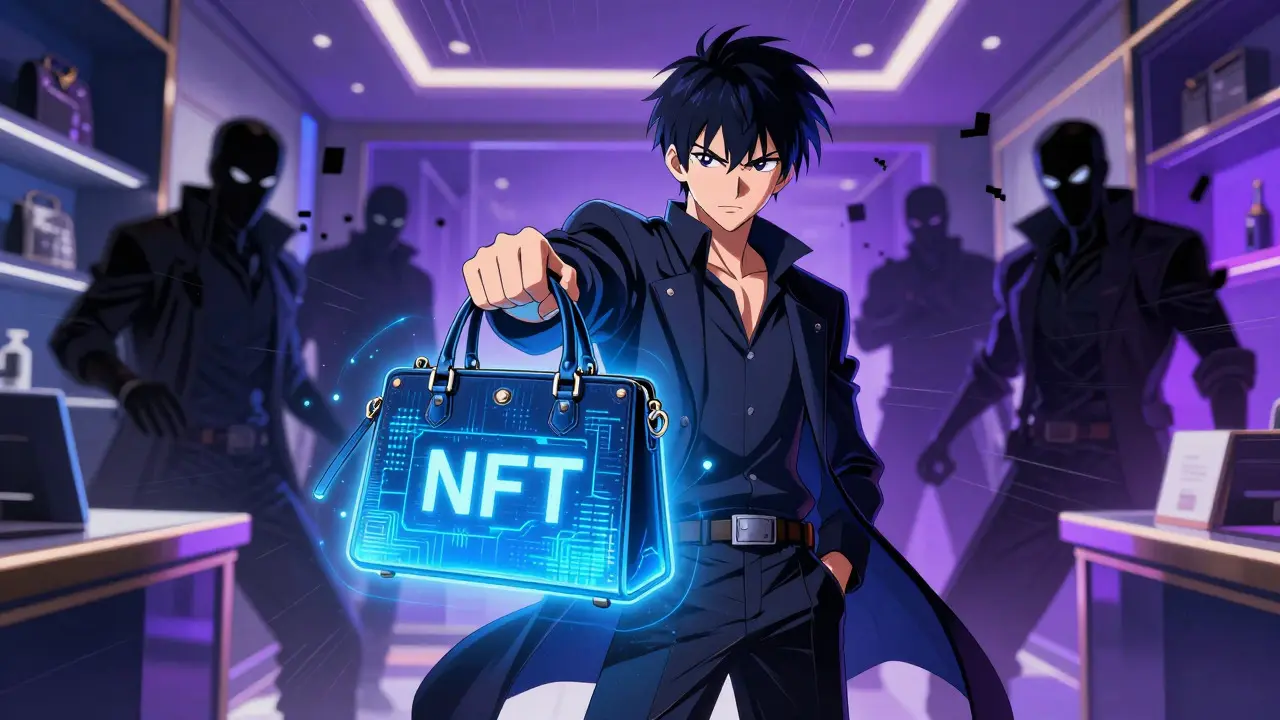
Imagine buying a $10,000 handbag, only to find out six months later it’s a high-quality fake. It happens more often than you’d think. The global luxury market is drowning in counterfeits, losing over $30.3 billion annually to fakes. But there is a new way to fight back, and it involves something most people associate with digital art or memes: Non-Fungible Tokens (NFTs). This isn't about buying JPEGs; it's about using blockchain technology to create unbreakable digital IDs for physical items like watches, bags, and jewelry.
What Is Luxury Goods Authentication with NFTs?
Luxury goods authentication with NFTs is a system that links a physical luxury item to a unique, tamper-proof digital certificate on the blockchain. Think of it as a birth certificate and passport combined, but one that cannot be forged. When you buy an authentic item, you get a physical product and a corresponding NFT. This NFT contains all the history of the item-where it was made, who owned it, and when it was serviced.
The core idea is simple: if the digital record says the bag is real, and the physical tag matches that record, the item is genuine. If someone tries to copy the bag, they can’t copy the blockchain entry. This technology emerged around 2019, pioneered by giants like LVMH, who partnered with Microsoft and ConsenSys to build the AURA blockchain platform. Their goal was clear: stop fakes by giving every product a verifiable digital identity.
How Does the Technology Actually Work?
You don’t need to be a tech wizard to understand this. The process relies on three main parts working together: hardware, software, and the blockchain itself.
- The Hardware Tag: Brands embed a tiny chip into the product. These are usually Near Field Communication (NFC) tags or QR codes. For example, SEALSQ uses a secure element called VaultIC155 that is incredibly hard to duplicate.
- The Digital Twin: When the item is manufactured, a unique NFT is created on a blockchain network, typically Ethereum. This NFT holds data like the serial number, production date, and original owner.
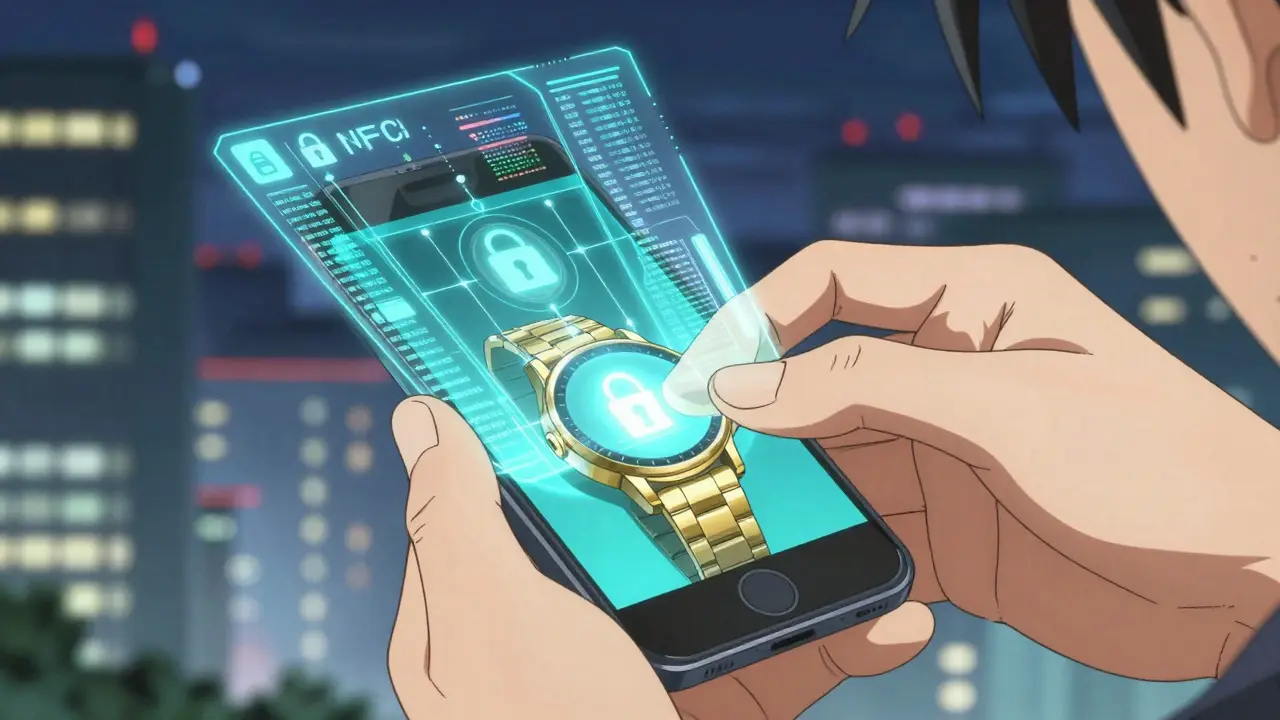
- The Verification Scan: As a consumer, you use your smartphone to scan the tag. Your phone connects to the blockchain and checks if the data on the tag matches the immutable record online. If it does, you have proof of authenticity.
This creates a "digital twin" of the physical object. Companies like Arianee have raised millions to expand this model, allowing brands to issue these digital passports easily. The beauty here is transparency. Every time the item changes hands, the NFT is transferred to the new owner’s wallet, creating a permanent history of ownership.
NFTs vs. Traditional Anti-Counterfeit Methods
Brands have tried to stop fakes for decades. They used holograms, watermarks, and paper certificates. Why didn’t those work? Because fakers got good at copying them. According to McKinsey, nearly 98% of counterfeit operations successfully replicate traditional security tags. A hologram looks shiny, so a fake maker makes a shiny sticker. It’s an endless cat-and-mouse game.
Blockchain changes the rules. You can print a fake QR code, but you can’t change the ledger behind it. Here is how they compare:
| Feature | Traditional (Holograms/Paper) | NFT-Based Blockchain |
|---|---|---|
| Falsification Risk | High (easily copied) | Low (cryptographically secured) |
| Ownership History | Lost after first sale | Tracked forever on ledger |
| Verification Speed | Requires expert eye | Instant via smartphone scan |
| Secondary Market Value | Uncertain provenance | Verified provenance boosts price |
The key difference is trust. With paper, you trust the brand’s seal. With NFTs, you trust the math of the blockchain. This is especially valuable for the secondary market, where resellers and buyers often argue over whether an item is real.
Who Is Using This Right Now?
This isn't just theory anymore. Major players are already rolling it out. LVMH expanded its AURA consortium to include Prada Group and Cartier in May 2023. Louis Vuitton, Gucci, and Dior are also experimenting with digital IDs. Even car manufacturers like McLaren have issued NFT passes for limited editions, proving the tech works beyond fashion.
Startups are filling the gaps too. WISeKey and SEALSQ launched an integrated solution in late 2023 that combines secure NFC chips with blockchain verification. Their claim? Making duplication "virtually impossible." On the user side, platforms like Vestiaire Collective report fewer disputes when items come with NFT verification. One reseller noted a 37% drop in authentication fights for verified goods. That’s huge for peace of mind.

The Challenges: It’s Not All Smooth Sailing
If this is so great, why isn’t every brand doing it? There are real hurdles. First, cost. Implementing enterprise-level blockchain infrastructure can cost between $500,000 and $2 million. That includes hiring Solidity developers, integrating NFC hardware, and training staff. For a small boutique, that’s prohibitive.
Then there’s the user experience. Not everyone knows what a crypto wallet is. A review on Trustpilot highlighted a frustrated customer whose elderly mother couldn’t verify her Louis Vuitton bag because the app required multiple downloads and confusing steps. If the verification process is harder than just looking at the stitching, people won’t use it. Bain & Company found that only 22% of luxury consumers actually understand how to verify NFT authenticity. That’s a massive trust gap.
There’s also the issue of interoperability. Currently, if you buy a Chanel bag with an AURA ID and a Rolex watch with a different system, you need two different apps to check them. Until there is a universal standard, consumers will face app fatigue.
What Does the Future Hold?
The trajectory points toward wider adoption, driven by both necessity and regulation. Gartner predicts that by 2026, 30% of luxury brands will use blockchain authentication, up from less than 5% in 2022. The European Union’s Digital Product Passport initiative might make this mandatory for goods sold in Europe by 2027. This regulatory push could force smaller brands to adopt the tech simply to stay in business.
We’re also seeing AI integration. Future systems might use AI to analyze photos of items alongside their NFT data to detect subtle signs of wear or modification that suggest fraud. And as the metaverse grows, these digital twins might let you wear your virtual designer bag in digital worlds, adding another layer of value to owning the physical item.
For now, the tech is strongest for high-value items with active resale markets-watches and rare handbags. For a $50 scarf, the cost of the NFC chip and blockchain transaction outweighs the risk. But for a $50,000 timepiece, having a tamper-proof service history and ownership chain is worth every penny.
Do I need cryptocurrency to verify my luxury item?
No. While the underlying technology runs on blockchains like Ethereum, many brands use private or permissioned ledgers. You usually just need a smartphone app to scan the tag. You don't necessarily need to hold crypto coins, though some systems may require a small fee for transactions.
Can NFT authentication prevent all counterfeiting?
It significantly reduces it, but doesn't eliminate it entirely. Sophisticated fakers might try to clone NFC tags or create fake apps. However, because the blockchain record is immutable, it becomes much harder to pass off a fake as genuine without being detected during a thorough check. Experts note it solves the majority of low-to-mid-tier counterfeiting issues.
Which luxury brands currently use NFT authentication?
Major houses including Louis Vuitton, Gucci, Prada, Dior, Burberry, Dolce & Gabbana, Chanel, and Cartier are involved in various stages of implementation. Many participate through the AURA Blockchain Consortium. Watchmakers like Rolex are also exploring similar digital provenance technologies.
Is it expensive for brands to implement this system?
Yes, initial setup costs are high, ranging from $500,000 to $2 million for enterprise solutions. This covers software development, hardware integration (like NFC chips), and staff training. However, the cost per unit drops significantly at scale, with NFC tags costing as little as $0.50 to $2.00 each in large quantities.
Will this affect the resale value of my items?
Likely yes. Verified items with clear provenance tend to sell for higher prices. The RealReal reported a 29% increase in resale value for authenticated items. Buyers pay a premium for certainty, knowing exactly who owned the item before and that it is 100% genuine.