

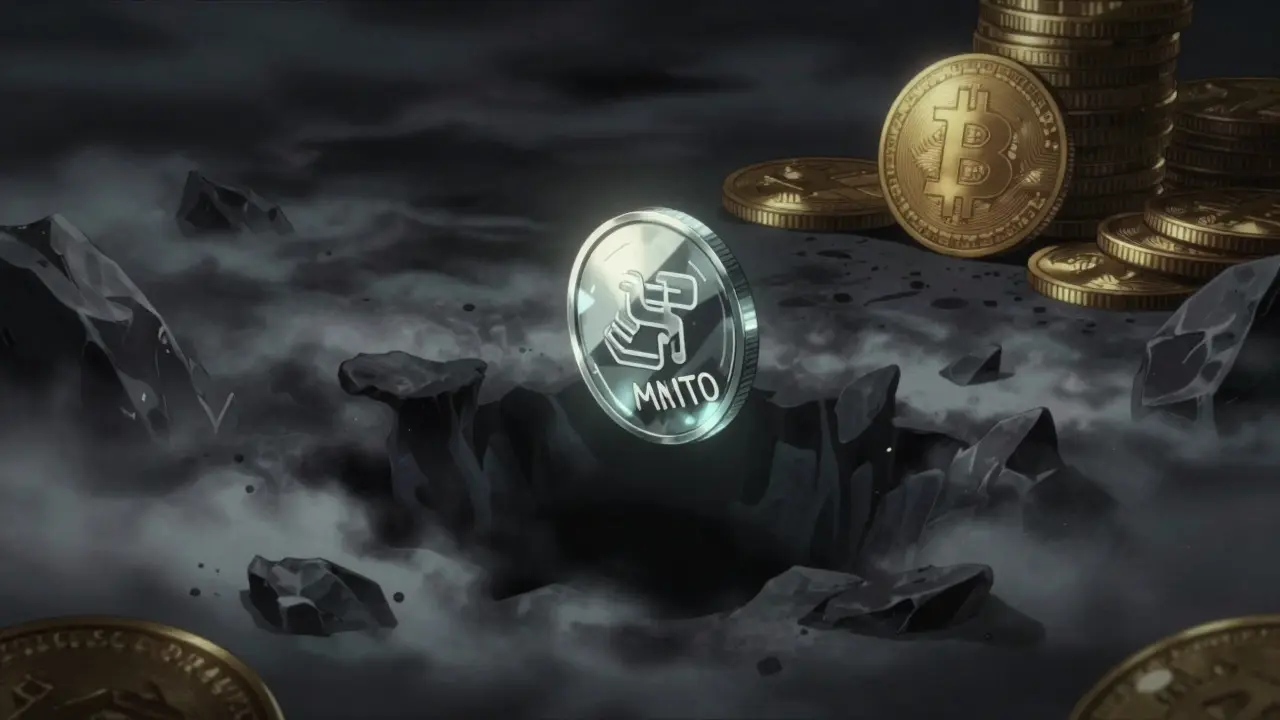
You’ve probably seen the ticker MNTO pop up in your feed or on a charting platform and wondered what’s going on with it. Is this the next big thing in the metaverse space, or just another low-cap token struggling for attention? The short answer is that Minato (MNTO) is a niche project aiming to build a community-driven, multichain metaverse through a Decentralized Autonomous Organization (DAO). But if you dig into the numbers, the picture gets complicated.
As of mid-2026, Minato isn’t exactly moving markets. It trades primarily on decentralized exchanges with thin liquidity, sits outside the top thousands of cryptocurrencies by market cap, and carries a history of extreme price volatility. Before you even think about buying, you need to understand what Minato actually *is*, how its technology claims to work, and why the data looks the way it does today.
What Exactly Is Minato (MNTO)?
At its core, Minato positions itself as a Web3 project trying to solve a specific problem: fragmentation in the metaverse ecosystem. Most metaverse projects are stuck on one blockchain. If you buy an NFT on Ethereum, it doesn’t automatically work on Polygon or Binance Smart Chain. Minato claims to bridge this gap using its own infrastructure.
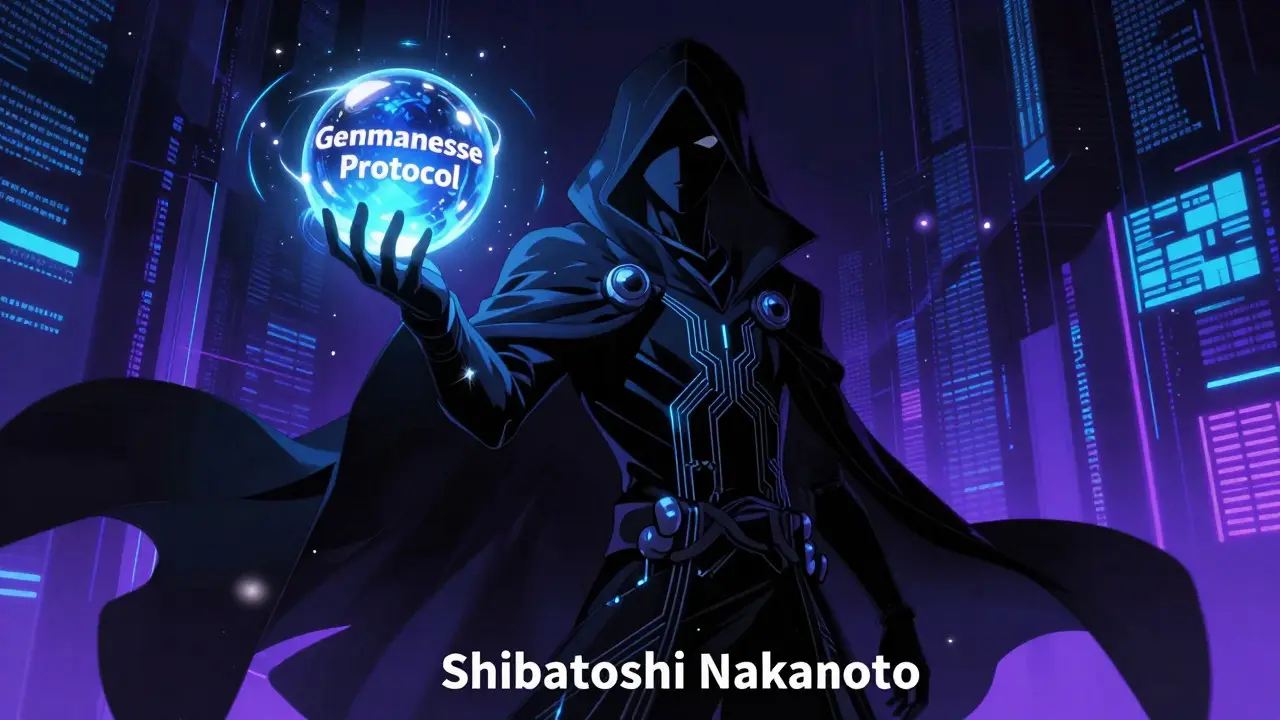
The team behind Minato describes themselves as experienced Web3 participants who have been around since the early days of decentralized technology. They use the name "Shibatoshi Nakamoto" for their founder-a clear nod to Satoshi Nakamoto, the anonymous creator of Bitcoin. Whether this is a branding choice or a hint at deeper anonymity is unclear, but it signals that the project leans heavily into crypto culture and mystery.
The Technology: Gemmanesse Protocol and Multichain Ambitions
If Minato has any technical backbone, it’s something called the Gemmanesse Protocol. According to the project’s documentation, this is proprietary code designed to act as an aggregation system for cross-chain data. Think of it as a traffic controller for blockchains. When you want to move an asset or execute a transaction, the protocol supposedly analyzes which blockchain is best suited for that specific task-whether it’s speed, cost, or security-and routes it accordingly.
This sounds ambitious. In practice, however, the implementation details are sparse. Here’s what we know exists:
- Multichain Metaverse Infrastructure: The foundational virtual environment where users can interact, trade, and play. Assets have reportedly been purchased for this layer, though public access remains limited.
- Cross-Chain DEX: A decentralized exchange built to support token and NFT swaps across multiple networks. The project claims to be the only metaverse/Web3 initiative offering true cross-chain interoperability for both fungible and non-fungible tokens.
- NFT and Staking Utilities: Users can stake MNTO tokens to earn rewards, participate in Play-to-Earn (P2E), Metaverse-to-Earn (M2E), and Loot-to-Earn (L2E) models. There’s also a digital wallet component and exclusive content access for holders.
One interesting detail is the mention of a "virtual asset service provider license." This suggests the team has attempted some level of regulatory compliance, which is rare for small-cap DAOs. However, no specific jurisdiction or licensing body is named in public records, so take that claim with caution.
Tokenomics: Supply, Distribution, and Valuation
Let’s talk numbers, because that’s where things get tricky with Minato. The total maximum supply of MNTO is capped at 1,000,000 tokens. That’s tiny compared to major cryptocurrencies like Bitcoin (21 million) or even Ethereum (uncapped but ~120 million in circulation). A small supply can create scarcity, but only if there’s demand.
Here’s how the valuation breaks down based on recent data:
| Metric | Value | Notes |
|---|---|---|
| Total Supply | 1,000,000 MNTO | Fixed cap |
| All-Time High (ATH) | $33.21 | Reached April 3, 2022 |
| All-Time Low (ATL) | $0.5014 | Recorded November 10, 2024 |
| Recent Price Range | $0.26 - $1.24 | Varies significantly by exchange |
| Fully Diluted Valuation (FDV) | ~$519,258 | Based on current price × total supply |
| Market Cap Rank | #6946+ | Per CoinGecko rankings |
Notice the massive drop from the all-time high of $33.21 in 2022 to current levels hovering around $0.26-$1.24. That’s a decline of over 98%. What happened? Likely a combination of broader crypto bear markets, loss of investor interest, and possibly structural issues within the project itself.
The fully diluted valuation (FDV) of roughly half a million dollars tells us something important: even if every single MNTO token were sold at current prices, the entire project would be worth less than many individual startup companies. This puts Minato firmly in the "micro-cap" category, meaning it’s highly speculative and prone to wild swings.
Where Can You Buy Minato (MNTO)?
If you’re determined to get your hands on some MNTO, your options are extremely limited. As of February 2026, the token trades exclusively on Pancakeswap V3, which runs on the Binance Smart Chain (BSC). There are no listings on major centralized exchanges like Coinbase, Binance, or Kraken.
Why does this matter? Because liquidity is king in crypto. Without deep order books and high trading volume, buying or selling large amounts of MNTO becomes nearly impossible without moving the price dramatically. Recent data shows daily trading volumes as low as $10 USD. Yes, ten dollars. This means if you try to sell even a modest amount of tokens, you could wipe out the available liquidity pool.
For those interested in connecting via wallets, the contract address for Ethereum-compatible networks (including Polygon) is:
0x97a9bac06f90940bce9caec2b880ff17707519e4
You can add this to MetaMask or other Web3 wallets to view holdings or initiate transactions. Just remember: double-check the address before sending anything. Scammers love copying legitimate contracts and adding slight variations to steal funds.
Risks and Red Flags to Watch For
Investing in micro-cap tokens like Minato comes with serious risks. Here’s what you should keep in mind:
- Extreme Volatility: With such low trading volume, prices can swing wildly based on just a few trades. A single buyer might push the price up 20%, while a seller could crash it just as fast.
- Lack of Transparency: While the team mentions being "experienced," they operate under pseudonyms. No detailed roadmap, no audited smart contracts, and minimal public updates make it hard to verify progress.
- Concentrated Trading: Relying solely on Pancakeswap V3 limits accessibility. If the platform changes fees, experiences downtime, or delists the pair, MNTO holders have nowhere else to go.
- Historical Underperformance: Compared to the broader crypto market, MNTO has consistently lagged. Over a recent 7-day period, it showed zero percent change while the global market rose 1.60%.
There’s also the issue of governance. As a DAO, Minato should allow token holders to vote on key decisions. Yet, there’s little information about how voting works, who proposes changes, or whether actual governance takes place. Many DAOs start with grand promises but end up controlled by a small group of insiders.
Community and Future Roadmap
Despite the challenges, Minato still maintains an active community presence. You’ll find them on Twitter (@Minato_Kanji), Reddit (r/Minato_DAO), Facebook, and their official website (minatodao.com). These channels serve as hubs for announcements, contests, giveaways, and occasional meetups.
The stated future plans include expanding beyond Polygon to additional blockchains, enhancing the multichain metaverse features, and rolling out more utility functions like modular storytelling and advanced reward systems. But here’s the catch: none of these come with concrete timelines or milestones. Without deadlines, it’s easy for roadmaps to become wish lists rather than actionable plans.
That said, the emphasis on community engagement isn’t entirely hollow. Projects like this often survive not because of technological superiority, but because of loyal supporters who believe in the vision. Whether that belief translates into sustainable growth remains to be seen.
Is Minato (MNTO) Worth Your Attention?
So, back to the original question: What is Minato (MNTO) crypto coin? It’s a small, experimental project attempting to build a cross-chain metaverse ecosystem backed by a DAO structure. It has real ambitions, some working components, and a dedicated-but small-community.
But let’s be honest. If you’re looking for stability, reliability, or mainstream adoption, Minato isn’t it. It’s a high-risk, high-reward gamble suitable only for investors who understand the dangers of micro-cap tokens and are willing to lose everything they put in.
Before diving in, ask yourself: Do I trust the team behind Shibatoshi Nakamoto? Am I comfortable with near-zero liquidity and potential slippage? Do I believe in the long-term vision of a multichain metaverse, regardless of current execution?
If your answers lean toward yes, then maybe MNTO deserves a spot in your portfolio. If not, stick to established projects with proven track records. Either way, do your own research, never invest more than you can afford to lose, and always verify contract addresses before transacting.
What is the purpose of the Minato (MNTO) token?
The MNTO token serves as the native currency for the Minato DAO, enabling participation in governance, staking rewards, access to exclusive content, and transactions within the multichain metaverse ecosystem. Holders can also engage in Play-to-Earn, Metaverse-to-Earn, and Loot-to-Earn models.
Where can I buy Minato (MNTO) in 2026?
As of mid-2026, MNTO trades exclusively on Pancakeswap V3 on the Binance Smart Chain (BSC). There are no listings on major centralized exchanges. Use the contract address 0x97a9bac06f90940bce9caec2b880ff17707519e4 for Ethereum-compatible wallets.
How much is Minato (MNTO) worth right now?
Prices vary widely depending on the source and timing. Recent reports show values between $0.26 and $1.24 per token. Due to low liquidity, prices may not reflect real-time market conditions and can fluctuate significantly within hours.
Who created Minato (MNTO)?
Minato was founded by a team of approximately twelve individuals, led by someone known publicly as Shibatoshi Nakamoto. The team describes itself as experienced in Web3 technologies since the inception of decentralized systems.
Is Minato (MNTO) safe to invest in?
Like all micro-cap cryptocurrencies, MNTO carries significant risk. Low liquidity, lack of transparent governance, and historical underperformance suggest caution. Only invest what you can afford to lose, and consider diversifying across more established assets.
What is the Gemmanesse Protocol?
Gemmanesse Protocol is a proprietary system developed by Minato’s founder to enable cross-chain data aggregation and routing. It aims to select the optimal blockchain for each transaction based on factors like speed, cost, and security requirements.
Does Minato have a mobile app or desktop client?
Currently, there is no standalone mobile or desktop application mentioned in official materials. Interaction occurs primarily through web-based interfaces connected via Web3 wallets like MetaMask.
What happens if I hold MNTO long-term?
Long-term holding depends entirely on the success of Minato’s metaverse development and community adoption. Given the current low activity and uncertain roadmap, prolonged holding carries substantial uncertainty and potential for continued depreciation.




Comments (23)
Jack Delasquez
August 8, 2026 AT 02:52 AMbro this is actually insane how low the volume is like 10 bucks a day?? i mean seriously who is even trading this stuff lol
Harman Singh
August 9, 2026 AT 06:51 AMi feel so drained just reading about this mess why does nobody care anymore its just sad really and im tired of seeing these dead projects float around wasting our time and energy
Qolbina Islami
August 9, 2026 AT 17:57 PMTHIS IS A SCAM!!! The whole thing is rigged against us! They promise multichain but deliver nothing but dust! Wake up people!!! It’s all controlled by the elites to steal your money!!!
SUBHAM CHOUDHURY
August 9, 2026 AT 18:16 PMHey there, don't let the noise get you down. Every project has its ups and downs. Just take it one step at a time and focus on the community aspect. You got this!
Ed Mitchell
August 9, 2026 AT 19:26 PMThe Gemmanesse Protocol is clearly a front for data harvesting. Look at the lack of audits. It’s not just bad tech; it’s a coordinated effort to siphon liquidity from retail investors while the insiders laugh. The pseudonym 'Shibatoshi' is too obvious, a deliberate misdirection to hide the real operators who are likely linked to previous rug pulls. We need to question every single transaction.
Michael Mostyn
August 11, 2026 AT 14:47 PMOne must consider the philosophical implications of a DAO that lacks genuine governance. If the structure exists only in name, what value does the token truly hold? Is it merely a symbol of hope in a fragmented ecosystem?
Erica Johnson
August 11, 2026 AT 21:44 PMActually, if you look at the contract address, you’ll see it’s wrapped in a way that suggests older codebases. Most people here don’t understand how cross-chain bridges actually work under the hood. It’s not magic, it’s just routing logic. :)
Ken G
August 13, 2026 AT 12:26 PMits just another coin made by guys who think they are smart but really they are just stealing from poor people who dont know better and its disgusting how they market it with fake promises
Lorraine Surringer
August 14, 2026 AT 13:36 PMOh honey, please tell me you didn’t buy any. This looks like a total disaster waiting to happen. I’ve seen so many people lose their shirts on these micro-caps. Just stick to Bitcoin, sweetie. It’s safer.
Alex Di Mango
August 15, 2026 AT 19:38 PMI think we can all agree that transparency is key here. While the risks are high, maybe there’s still a chance for growth if the team steps up. Let’s keep an open mind but stay cautious.
Amor Jordan
August 17, 2026 AT 08:41 AMIt’s heartbreaking to see such potential go to waste. The community deserves better than vague roadmaps and silent founders. I hope someone speaks up soon because the silence is deafening.
Nick Darring
August 18, 2026 AT 00:49 AMYou know what’s funny? Everyone says it’s a scam, but then they keep checking the price. If it was so bad, why are you still here reading this? Maybe it’s not a scam, maybe you’re just bad at picking winners. Or maybe it’s both. Who knows? But seriously, the idea that a dozen guys can build a metaverse bridge is hilarious. It’s like saying my garage band will outplay the Rolling Stones. Sure, why not?
Eden Tadesse
August 19, 2026 AT 03:46 AMjust wait till they launch the mobile app then we will see if anything changes but right now its just hype and nothing else really
Eric Zehr
August 20, 2026 AT 12:42 PMStay positive, everyone. Even small projects can have big impacts if the community stays united. Keep doing your research and support each other through the volatility.
Namrata Mapgaonkar
August 21, 2026 AT 20:58 PMfrom where i sit in india this looks very risky but some friends say its okay for small amounts so i am watching from sidelines :) no rush
Ethan Yuwono
August 22, 2026 AT 02:34 AMthe real question is whether the protocol actually works or if it's just vaporware wrapped in buzzwords i tend to think it's the latter but i could be wrong
Pernelia Wahkan
August 23, 2026 AT 10:00 AMIf you dig into the Pancakeswap pairs, you’ll notice the liquidity providers are mostly anonymous wallets with no history. That’s a classic red flag. Also, the ‘Gemmanesse’ name sounds like something out of a fantasy novel, not a technical whitepaper. It’s colorful, sure, but lacks substance.
Subhash Kashyap Dm
August 23, 2026 AT 13:26 PMthe tokenomics are fundamentally flawed the supply cap is arbitrary and the distribution model favors early insiders who are likely dumping on retail this is typical pump and dump behavior masked as innovation
Billy Cunningham
August 24, 2026 AT 21:12 PMsad face emoji this is going nowhere 😞
Ed Wallace
August 25, 2026 AT 17:46 PMIt’s fascinating how they try to blend gaming with finance. The concept of Loot-to-Earn is intriguing, but without a working product, it’s just words on a page. I wonder if they ever tested the bridge functionality themselves.
Joshua Hofford
August 25, 2026 AT 21:36 PMLet’s give them a chance! Innovation takes time. Maybe the metaverse will take off next year and MNTO will be ready. Stay hopeful, folks!
Marcia Albert
August 26, 2026 AT 15:43 PMit’s like watching paint dry but with more financial loss honestly i’d rather invest in a vending machine business at this point
Emma Smith
August 27, 2026 AT 11:13 AMthe dao structure is a facade designed to obscure liability while extracting value from users through gas fees and slippage it’s a parasitic relationship disguised as decentralization