

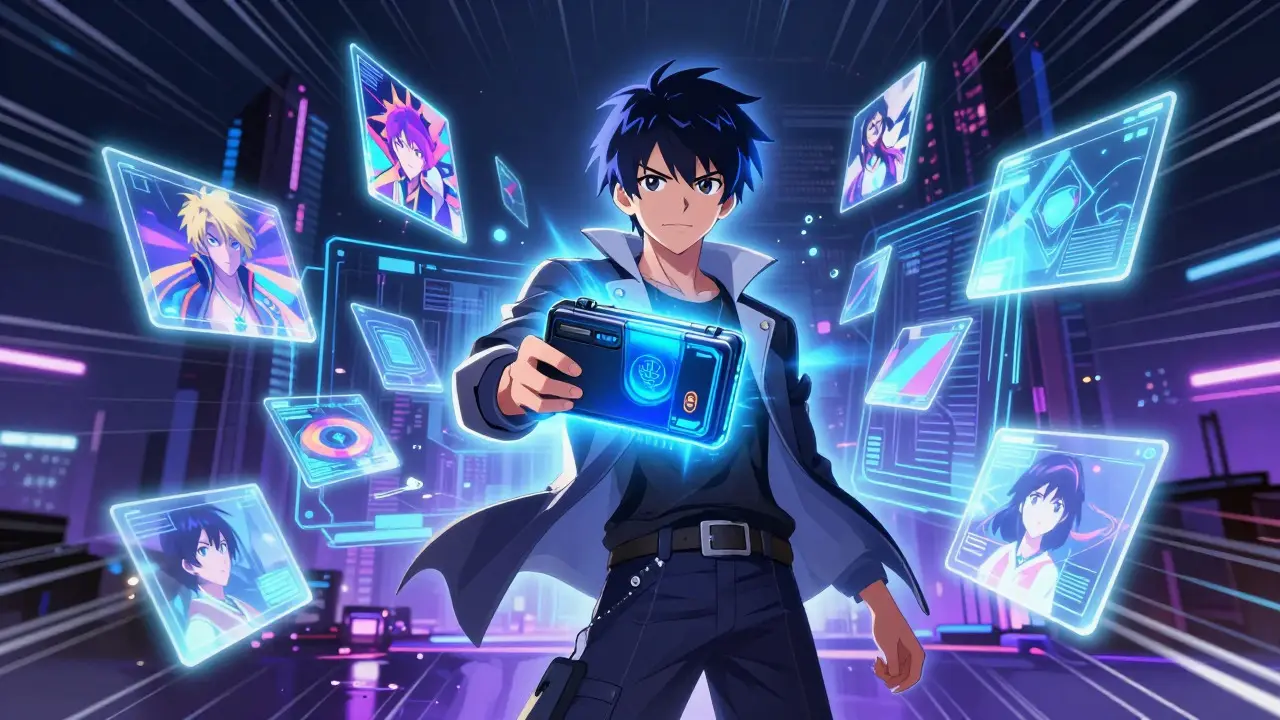
Imagine buying a rare digital painting. In the past, you’d worry about fakes or losing your receipt. Today, NFT marketplaces are digital platforms where users buy, sell, and trade unique non-fungible tokens verified by blockchain technology. These platforms act like specialized eBay sites for digital goods, using smart contracts to prove ownership without needing a middleman. Whether you’re an artist looking to sell your work or a collector hunting for virtual sneakers, understanding how these hubs operate is essential before you spend a dollar.
How NFT Marketplaces Actually Work
At their core, NFT marketplaces connect buyers and sellers of digital assets. Unlike traditional e-commerce where you can buy ten identical T-shirts, every Non-Fungible Token (NFT) is unique. The marketplace doesn’t store the art file itself; instead, it stores metadata on a blockchain, usually Ethereum, that points to the asset’s location in decentralized storage like IPFS. This ensures that even if the website goes down, your proof of ownership remains valid on the chain.
To participate, you need a cryptocurrency wallet, such as MetaMask or Coinbase Wallet. Think of this wallet as your digital passport and bank account combined. You connect it to the marketplace interface to sign transactions. When you buy an NFT, the smart contract updates the ledger to show you as the new owner. Most major platforms charge a fee for this service, typically ranging from 2.5% to 5% of the sale price, though some newer competitors have dropped platform fees to zero to attract high-volume traders.
The Main Types of Platforms
Not all marketplaces are built the same way. They generally fall into three structural models, each serving different user needs:
- Open Marketplaces: Anyone can join, mint, and sell. OpenSea is the dominant open marketplace, holding approximately 60% of the global market share. It offers the widest variety but requires users to verify collections themselves to avoid scams.
- Closed Marketplaces: Artists must apply and be accepted. Foundation is a curated platform known for high-end digital art and invitation-only access. This exclusivity often leads to higher perceived value and better curation.
- Proprietary Marketplaces: These sell specific branded assets, like gaming items or loyalty tokens, controlled entirely by one company. Nike’s .SWOOSH platform is a prime example, selling limited-edition digital sneakers tied to physical products.

Comparing the Major Players
Choosing the right platform depends on what you’re trying to do. Are you a casual buyer looking for ease of use, or a pro trader chasing low fees? Here is how the top contenders stack up based on recent data and user feedback.
| Platform | Market Share | Platform Fee | Best For | User Rating |
|---|---|---|---|---|
| OpenSea | ~60% | 2.5% | Beginners & General Collectors | 3.8/5 |
| Blur | ~15% | 0% | Professional Traders | 4.2/5 |
| Magic Eden | ~12% | 2.5% | Multi-Chain & Gaming Assets | 4.0/5 |
| Rarible | ~8% | 2.5% | Decentralized Governance Fans | 3.4/5 |
OpenSea remains the go-to for most people because its interface is intuitive. However, if you are actively trading large volumes, Blur’s zero-fee model and advanced order books make it far more efficient. Magic Eden has carved out a niche by supporting multiple blockchains, which is crucial if you are interested in Solana-based projects.
Costs, Fees, and Hidden Expenses
Understanding the true cost of buying an NFT involves more than just the sticker price. There are two main costs to consider: the platform fee and the gas fee. Platform fees are charged by the marketplace for facilitating the trade. Gas fees, however, are paid to the network miners or validators to process the transaction on the blockchain. On Ethereum, these fees fluctuate wildly based on network congestion. While they averaged around $1.20 per transaction in late 2023, they can spike significantly during popular drops. Always check current gas prices before executing a trade, especially if you are making smaller purchases.
Additionally, creators can set royalties, which are percentages (usually 5-10%) paid to the original artist every time the NFT is resold. This feature supports artists long-term but adds to the secondary market cost for buyers. Some platforms are now experimenting with royalty enforcement mechanisms to ensure these payments actually happen, as bypassing them was previously common.
Risks and How to Stay Safe
The NFT space moves fast, and unfortunately, so do the scammers. One of the biggest risks is the "rug pull," where a project team disappears with investors' money after a hype cycle. Another common issue is counterfeit collections. Before buying anything, always verify the smart contract address of the collection against official sources. If you see a Bored Ape Yacht Club listing, double-check that it comes from the official contract, not a lookalike created by a fraudster. Using established marketplaces reduces this risk, but it doesn't eliminate it entirely. Joining community Discord servers and doing your own research is your best defense against financial loss.
The Future of Digital Trading Hubs
The landscape is shifting rapidly. With regulations like the EU's MiCA framework coming into effect, we are seeing stricter Know Your Customer (KYC) requirements for European users. This brings more legitimacy but also less anonymity. Furthermore, cross-chain interoperability is becoming standard, allowing users to move assets between Ethereum, Solana, and other networks seamlessly. As enterprise adoption grows, expect to see more brands launching proprietary marketplaces for customer engagement, blurring the lines between traditional retail and digital collectibles.


Comments (2)
nic c
August 26, 2026 AT 19:20 PMOh, the sheer audacity of this article pretending to be a 'practical guide' when it reads more like a bedtime story for people who still think blockchain is magic dust.
You see, the real problem here isn't the technology, no sir, it's the fundamental misunderstanding that digital scarcity has any intrinsic value in a world where copying costs zero.
I mean, let's look at the numbers, shall we? OpenSea holding 60% market share sounds impressive until you realize most of that volume is wash trading and bots moving money from left hand to right hand to pump the charts.
And don't get me started on the gas fees; calling them 'fluctuating wildly' is like saying the weather is 'a bit breezy' during a hurricane.
The whole concept of a 'closed marketplace' is just snobbery with extra steps, trying to convince us that if an artist has to apply to sell their JPEG, it must be worth more.
It's all a grand performance, a theater of the absurd where we pay thousands of dollars for the privilege of owning a link to a file that could vanish tomorrow if IPFS goes down.
But sure, keep telling yourself that your $500 pixel art is an investment, it's good for the soul, or so they say.
The only thing being verified here is our collective willingness to believe in the invisible hand of the crypto god.
Just wait until the next bear market hits and these 'high-end' platforms are empty except for the bots and the delusional.
It’s a beautiful mess, really, a chaotic tapestry of greed and hope stitched together by smart contracts that nobody fully understands.
We are all just pawns in a game designed by people who wear hoodies to board meetings.
So yes, read the guide, learn the jargon, and then wonder why your portfolio looks like a casino after a bad night.
It’s not about the art, folks, it’s about the narrative, and right now, the narrative is fraying at the edges.
Keep your wallets locked and your expectations low, because the rug is always closer than you think.
Kevin Payette
August 27, 2026 AT 04:31 AMWrong.
Everything is wrong.
You're missing the point entirely.