
When we talk about digital products, tangible assets that exist only online and carry value through ownership, access, or utility. Also known as digital assets, they range from NFTs and tokens to subscription-based tools and virtual land in metaverses. In crypto, these aren’t just files you download—they’re pieces of code that represent ownership, rights, or access, often secured on blockchains like Ethereum or Sui. Unlike old-school digital goods, crypto-based digital products can be traded, verified, and transferred without middlemen. That’s why a meme coin like DOGEGROK or a fake token like RONDA can trick people: they look like digital products, but they have no real function, no ownership structure, and no backing.
Real digital products in crypto have clear attributes: they’re verifiable, scarce, and often programmable. Take NFTs, unique digital tokens that prove ownership of art, game items, or even access passes. Also known as non-fungible tokens, they’re the backbone of play-to-earn games and virtual worlds. Platforms like Uniswap v4 or LCX Exchange let you trade these as if they were stocks. Then there are blockchain tokens, fungible digital assets that represent utility, governance, or rewards within a network. Also known as crypto tokens, they power everything from node rewards (like STRNGR) to airdrop campaigns (like DSG or NFTL). But here’s the catch: most digital products fail. AIFlow, VikingsChain, and Beth (the Solana meme version) all pretended to be valuable digital products. They had websites, whitepapers, and hype—but no code, no users, no liquidity. That’s why you need to ask: Does this thing do something? Can you prove you own it? Can you sell it? If the answer is no, it’s not a digital product—it’s a digital ghost.
The biggest mistake people make is confusing hype with value. Airdrops, IDOs, and token launches often masquerade as digital products when they’re just marketing stunts. Thailand’s ban on foreign P2P platforms and the UK’s VASP rules show regulators are catching on. Meanwhile, real digital products like Sovryn’s Bitcoin-native DeFi tools or Merkle Trees enabling proof-of-reserves are quietly building the infrastructure behind trust. You don’t need to chase every new token. You just need to spot the ones that solve real problems. Below, you’ll find deep dives on exactly that—what’s working, what’s a scam, and what’s just noise.
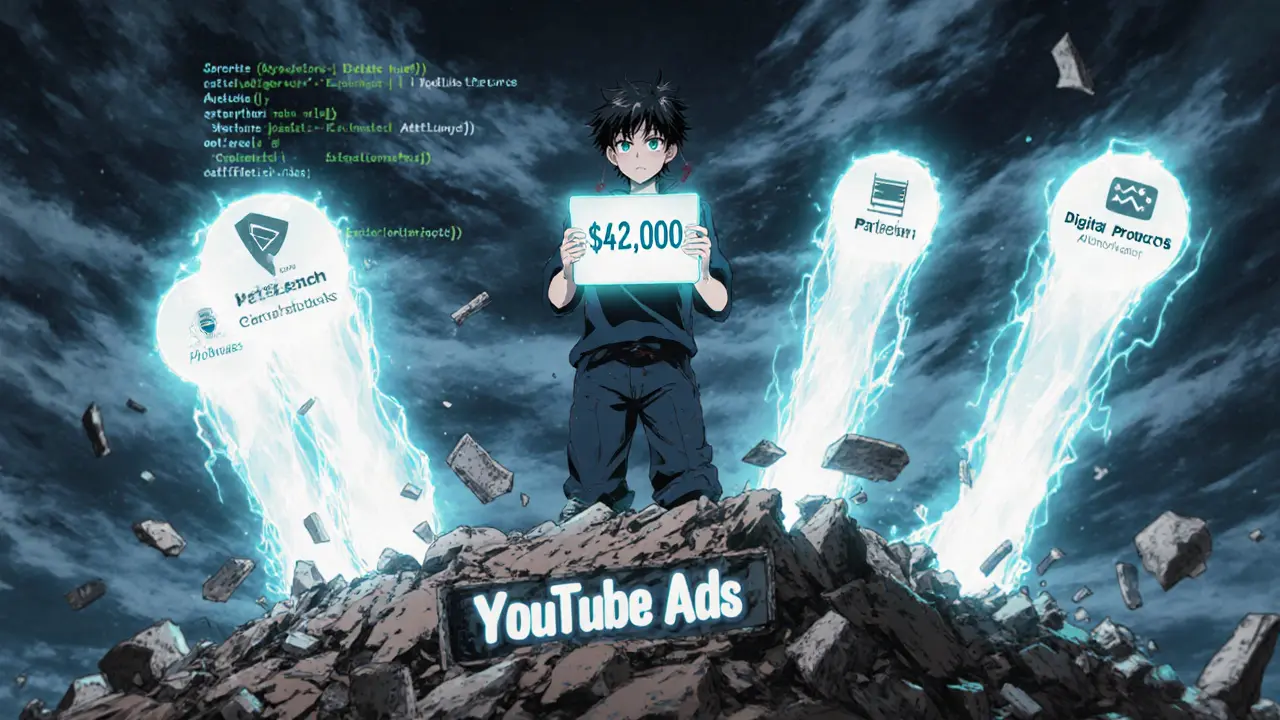
Learn how creators can build sustainable income through diversified monetization strategies - from subscriptions and digital products to sponsorships and blockchain-based fan support - without relying on unstable platform algorithms.