
When it comes to crypto laws in Bangladesh, the country’s official stance bans financial institutions from handling cryptocurrency transactions. Also known as cryptocurrency restrictions Bangladesh, these rules make it illegal for banks and payment processors to support Bitcoin, Ethereum, or any digital asset—no deposits, no withdrawals, no exchanges. But owning crypto? That’s a gray area. The law doesn’t say you can’t hold it in a wallet—you just can’t move it through the banking system. This creates a weird reality: thousands of Bangladeshis still trade crypto, but they do it through peer-to-peer apps, foreign exchanges, or cash deals—all outside the official system.
It’s not just about Bitcoin. The same rules apply to altcoins, including tokens like Solana, Polygon, or meme coins like MINI or PUMP. If you’re using a local bank to buy SOL or sell your LQTY, you’re breaking the law. The Bangladesh Bank issued a formal notice in 2021, warning that anyone involved in crypto transactions could face legal action under the Money Laundering Prevention Act. Enforcement is rare for individual holders, but businesses, exchangers, or anyone running a P2P operation get targeted. Even crypto airdrops like BRKL or DSG can’t be cashed out through local banks—so if you get tokens, you’re stuck holding them or finding risky ways to convert them. Meanwhile, neighboring countries like Thailand and Georgia have built clear frameworks for crypto—Bangladesh chose to shut the door entirely.
So how do people still trade? They use foreign platforms like CoinEx or Bitfinex, send money via Western Union or PayPal (which is also risky), or meet in person for cash trades. Some use crypto ATMs, though these are unofficial and unregulated. The result? A thriving underground market with no consumer protection, no recourse if you get scammed, and zero legal safety. And if you’re thinking about mining? Forget it. Electricity costs are high, and the government doesn’t recognize crypto mining as a legal activity. There’s no tax code for crypto because there’s no legal framework for it at all.
What you won’t find in Bangladesh: licensed exchanges, regulated DeFi platforms, or crypto-friendly banks. You will find people using crypto anyway—because it’s the only way to send money abroad cheaply or access global markets. But every transaction is a gamble. The government hasn’t legalized crypto, and it hasn’t explained what happens if you get caught. That uncertainty is the real cost of using crypto here.
Below, you’ll find real reviews and deep dives on exchanges, tokens, and risks that Bangladeshis actually use—even if the law says they shouldn’t. From scams like Uzyth to dead tokens like ASPIRIN, these posts cut through the noise and show you what’s real in a place where crypto exists in the shadows.
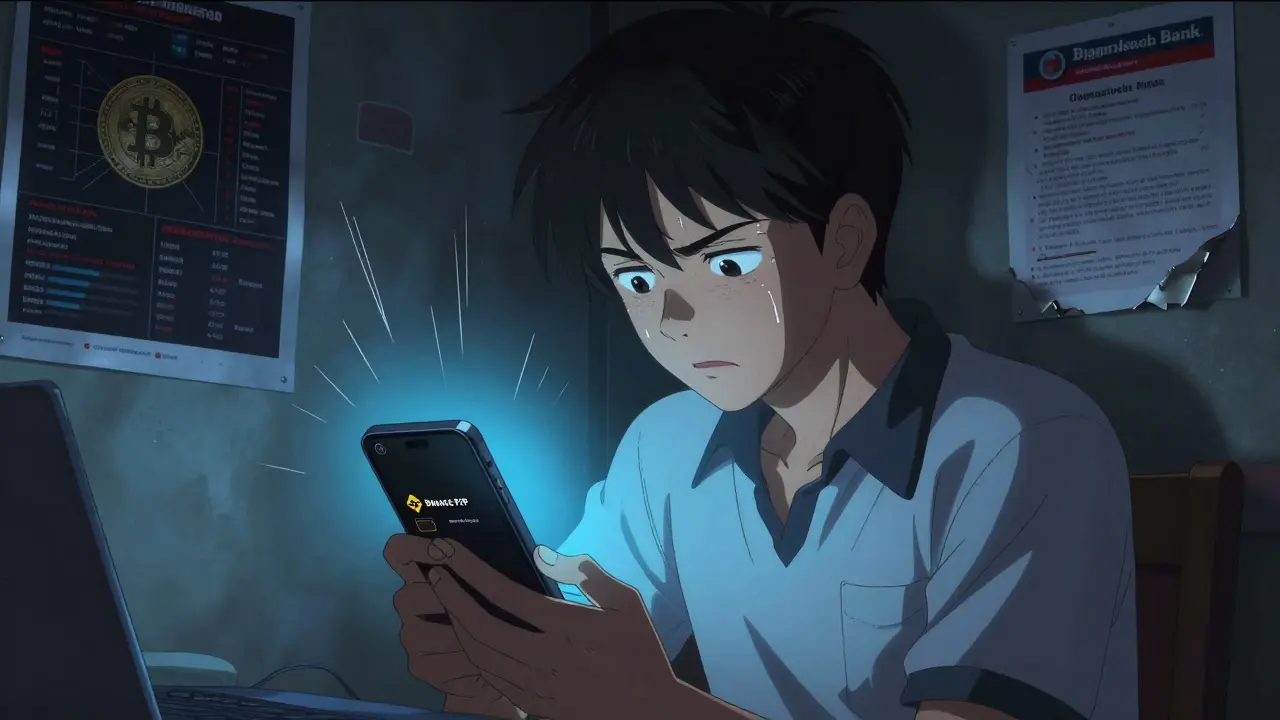
The claim that crypto trading in Bangladesh carries a 12-year prison sentence is widely repeated but legally inaccurate. Learn the real laws, enforcement patterns, and risks behind Bangladesh's crypto ban.