


Most decentralized exchanges feel like a black box where you just throw tokens at a pool and hope for the best price. Serum is a decentralized cryptocurrency exchange built on the Solana blockchain that uses a central limit order book (CLOB) rather than an automated market maker. Originally launched in 2020, it promised to bring the professional feel of a centralized exchange to the world of DeFi. But if you're looking to trade here today, you're likely wondering if the lights are still on.
The reality is complicated. While Serum pioneered the idea of high-speed, non-custodial trading on Solana, the project has faced massive turmoil. Some industry trackers have effectively labeled the platform as "dead," while others still see activity in the SRM token. If you're chasing the efficiency of a pro trading interface without the KYC headaches, you need to know exactly where this platform stands in 2026.
How Serum Actually Works: Order Books vs. AMMs
If you've used Uniswap or PancakeSwap, you're used to Automated Market Makers (AMMs). In those systems, you trade against a liquidity pool. Serum does things differently. It uses a limit order book, meaning buyers and sellers place specific orders at specific prices, just like you'd see on a traditional stock exchange or a big player like Binance.
This architecture is only possible because it lives on Solana. To handle an order book on-chain, you need insane speed. Solana provides this through a high-performance blockchain that can push 50,000 to 65,000 transactions per second. For the average user, this means your trades execute almost instantly, and you don't deal with the massive "slippage" (price changes during a trade) that often plagues smaller liquidity pools on Ethereum.
| Feature | Serum (Order Book) | Uniswap/PancakeSwap (AMM) |
|---|---|---|
| Price Discovery | Directly between users | Algorithmic formula |
| Execution Speed | Extremely Fast (Solana) | Variable (Network dependent) |
| Trading Style | Limit and Market Orders | Swap based |
| KYC Requirement | None | None |
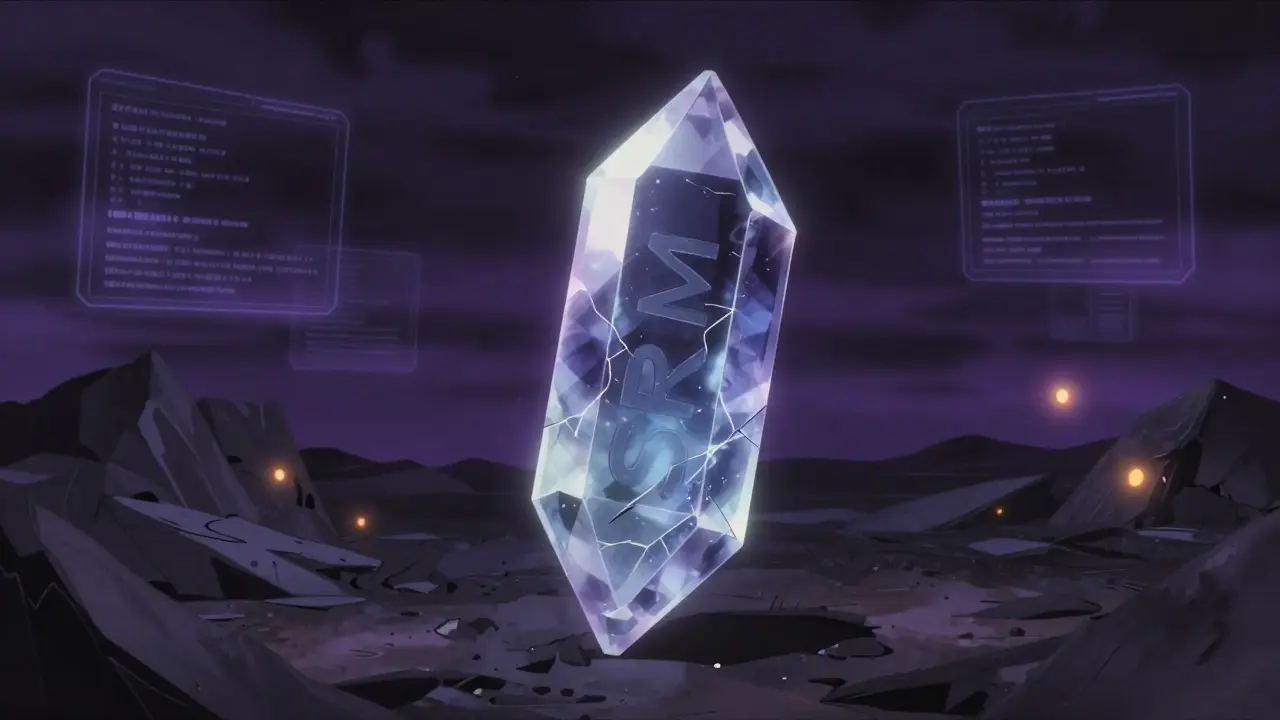
The SRM Token: Utility or Ghost Coin?
The SRM token is the heartbeat of the ecosystem. In theory, holding SRM gives you fee discounts and a say in how the platform is governed. It's the standard "governance token" model we see across DeFi. However, the numbers tell a cautionary tale. As of late 2025, the token price has plummeted to around $0.013, with a market cap hovering in the low millions.
When a token loses this much value, it's usually a sign that the market has lost faith in the project's long-term growth. While you can still trade SRM on platforms like Binance or OKX, the utility of the token is only as good as the platform it supports. If the exchange isn't growing, the token's ability to provide "value" disappears.
Getting Started: Wallets and Connectivity
One of the best things about the Serum experience is that it doesn't lock you into one specific way of accessing your funds. You don't need to hand over your passport or email address to start trading. You just need a SOL wallet.
Depending on your tech comfort level, you have a few options:
- Web Access: Using tools like Sollet.io allows you to manage your assets and connect directly to the DEX interface from your browser.
- Mobile Access: The Coin98 app has historically provided a way to access Serum's functionality on iOS and Android, making it possible to trade on the go.
- Custom Interfaces: Because Serum is permissionless, developers can build their own "skins" or interfaces on top of its infrastructure. In the past, over 18 different DEX interfaces were built using the Serum Academy guidelines.
The biggest hurdle for a total beginner is the requirement to hold a small amount of SOL. Because every transaction on the Solana network costs a tiny fee (gas), you can't trade if your wallet is empty. It's a small price to pay for the speed, but it's a step that often trips up newcomers.
Interoperability and Cross-Chain Ambitions
Serum didn't want to be just another Solana app; it wanted to be a hub for all blockchains. This is where the concept of "cross-chain trading" comes in. The goal was to allow users to swap assets from Bitcoin or Ethereum directly on the Solana-based exchange.
To make this work without a central authority, Serum used smart contracts with economic incentives. Basically, parties had to deposit collateral to prove they were acting in good faith. If a dispute happened, a resolution mechanism would award the stake to the honest party and penalize the liar. While this sounds great on paper, the complexity of these bridges often introduces security risks, and the broader market has shifted toward more streamlined solutions.

The Verdict: Should You Use Serum Swap Today?
If you are a developer wanting to study how a decentralized order book is built, Serum is a fascinating piece of history. If you are a trader, however, you have to weigh the risks. The conflict in reporting-where some call it a powerhouse and others call it a graveyard-is a massive red flag. In the crypto world, uncertainty usually equals risk.
If you're looking for a fast, reliable DEX on Solana today, Raydium has largely captured the momentum that Serum once had, especially for those trading meme coins or new project launches. Serum offered a hybrid experience-the power of a centralized exchange with the privacy of a DEX-but the lack of clear, updated communication from the Serum Foundation makes it hard to trust with significant capital.
Do I need to verify my ID (KYC) to use Serum?
No. Serum is a non-custodial, decentralized exchange, meaning you connect your wallet and trade directly. There is no account registration or identity verification process required.
Is Serum still operational in 2026?
There are conflicting reports. While the SRM token still trades on major exchanges, some technical reviewers have listed the platform as closed. Always check the current liquidity and volume on-chain before depositing funds.
What is the difference between Serum and Uniswap?
Uniswap uses an Automated Market Maker (AMM) model where you trade against a pool of tokens. Serum uses a Central Limit Order Book (CLOB), which allows you to set specific buy and sell prices, similar to how a traditional stock market works.
Which wallet is best for using Serum?
Any Solana-compatible wallet will work. Historically, Sollet.io has been used for web access, and the Coin98 app is a popular choice for those who prefer a mobile interface.
Why is the SRM token price so low?
The price drop is largely due to the platform's declining market share and uncertainty regarding its operational status. As users migrate to newer Solana DEXs like Raydium, the demand for SRM for governance and fee discounts has decreased.
Next Steps for Traders
If you're determined to try Serum, start with a "burn wallet"-a secondary wallet with only a small amount of funds-to test the connectivity and execution speed. If you find the interface unresponsive or the liquidity too low, your best bet is to look into the current leaders of the Solana ecosystem. For those wanting the best of both worlds (speed and decentralization), comparing the current volumes on Raydium versus any remaining Serum interfaces will give you the clearest answer on where the money is actually moving.




Comments (21)
Robert Smith
April 30, 2026 AT 23:20 PMTotal ghost town now 👻
Sri Astuti
May 1, 2026 AT 03:27 AMThe sheer audacity of anyone thinking a CLOB on a chain that has had as many outages as Solana could ever be stable is honestly laughable 🙄, and if you actually look at the order book depth, you'll see it's practically non-existent compared to what we had in 2021, which just proves that the entire value proposition of SRM was a house of cards built on hype and nothing but empty promises from the foundation 😒.
Ryan Nakielny
May 2, 2026 AT 20:59 PMOh wow, a "professional feel" for a coin that's worth a fraction of a penny. Truly the pinnacle of finance right here.
Andrew Todd
May 2, 2026 AT 23:23 PMOnly losers trade on this junk. Real money stays in the US and uses real tools. This is just a playground for people who don't know how to actually make a profit.
Emily A
May 4, 2026 AT 14:15 PMIt is quite imperative to note that the distinction between an AMM and a CLOB is not merely a technical preference but a fundamental shift in liquidity provision. Those who confuse the two are demonstrating a profound lack of basic DeFi literacy.
Felix Eduardo Velasquez
May 5, 2026 AT 11:20 AMThe shift from Serum to Raydium isn't just about momentum; it is a natural evolution of liquidity migration. When a project stops communicating, the market doesn't wait. It moves to where the volume is. This is a classic example of the Lindy Effect in reverse-the longer a project goes without updating its core utility, the more likely it is to be forgotten by the active trading community.
Rain Richardsson
May 6, 2026 AT 02:24 AMMakes sense. Raydium feels way more active.
Wayne Gillis
May 7, 2026 AT 17:16 PMI tried to connect my wallet and it was so glitchy!! 😱 Seriously, why even bother with these old sites? Just go to a new one! 🚀
Elle Kharitou
May 8, 2026 AT 14:49 PMIt is so interesting to think about how these digital spaces evolve like ancient cities, where once-bustling markets become silent ruins and we are left to wander through the code wondering what the architects were truly dreaming of when they built this 🌿✨. Perhaps the lesson here is that true value isn't in the speed of the transaction but in the community that sustains it over time, and maybe we can all learn to be a bit more patient with the ebb and flow of technology 🌸💫.
Kara Spadone
May 9, 2026 AT 03:37 AMMost people are just chasing ghosts. The token price is a reflection of the soul's detachment from greed 🙄.
Jehan ZA
May 10, 2026 AT 02:42 AMThe technical architecture of a central limit order book remains impressive, regardless of the project's current commercial viability.
Ipsita Seal
May 11, 2026 AT 07:50 AMToo long. Basically it's dead. Next.
Amanda Macy
May 12, 2026 AT 16:22 PMThere is a certain tragedy in seeing such a high-performance engine lose its driver. It serves as a reminder that technology alone cannot save a project if the trust is gone.
Lloyd I
May 14, 2026 AT 13:50 PMHey everyone! If you're still curious about the tech, just try it with a tiny amount! It's a great way to learn how things work without risking your whole bag. Let's keep exploring! 🚀
Rushell Perry
May 16, 2026 AT 12:32 PMjust use a phantom wallet it makes everything way easier if you are new to solana
Lynne Teperman
May 17, 2026 AT 06:50 AMwild west vibes all over this one no map just vibes
Rachel S
May 18, 2026 AT 19:16 PMIt is absolutely scandalous that some people are still calling this a powerhouse! 😱 The liquidity is a joke and anyone putting real capital here is simply asking to be liquidated by the void! 💅
Jan Conrad
May 20, 2026 AT 00:08 AMThe cross-chain part is what always fascinated me. I wonder if the collateral system actually worked for the few people who tried it before the hype died down.
its me
May 21, 2026 AT 08:10 AMWe should really consider the ethics of these "burn wallets." Is it not just a way to distance ourselves from the responsibility of our financial failures? We pretend it's a test but really we're just gambling 🙄.
AP Fisher
May 22, 2026 AT 12:48 PMI'm just trying to figure out if I can still sell my old tokens or if they are totally gone now.
Gabby Puche
May 23, 2026 AT 18:51 PMJust stay safe out there! 💖 Use the burn wallet tip, it's a lifesaver! ✨