


Imagine checking your phone and seeing a massive profit from a Bitcoin trade, only to realize that keeping that money could land you in serious legal trouble. For citizens of Bangladesh, this isn't just a hypothetical scenario-it is the daily reality of participating in the global cryptocurrency market. The Bangladesh Bank officially banned all cryptocurrency usage, trade, and possession in 2017, citing fears of money laundering and financial instability. Despite this strict prohibition, a vibrant underground economy has flourished, driven by necessity, speculation, and the desire for financial freedom.
If you are a Bangladeshi citizen considering entering the crypto space, or if you are already trading secretly, understanding the full scope of these risks is not optional-it is essential for your safety. The landscape in 2026 is more complex than ever, with new biometric verification mandates pushing traders further into the shadows. This article breaks down the legal, financial, and operational dangers you face, helping you make informed decisions in a high-stakes environment.
The Legal Wall: Absolute Prohibition
To understand the risk, you first need to grasp the severity of the law. Unlike countries like India or Pakistan, which have introduced taxation frameworks or cautious regulatory steps, Bangladesh maintains an absolute ban. The central bank’s 2017 declaration was clear: cryptocurrencies are illegal. There is no gray area for 'investment' or 'technology research.' Possession, trading, and even using crypto for payments are prohibited activities.
This creates immediate legal jeopardy. If authorities discover your involvement, they can prosecute you under anti-money laundering legislation. The penalties are severe, potentially including asset forfeiture and imprisonment. Yet, enforcement feels inconsistent. You can still download apps like Binance or KuCoin from the Google Play Store or Apple App Store within Bangladesh. These platforms often allow users to trade significant sums with minimal initial verification. This disconnect between strict laws and accessible technology creates a dangerous illusion of safety. Just because you *can* trade doesn’t mean you won’t be caught.
Financial Risks: The Hidden Costs of Going Underground
When a market is banned, it doesn’t disappear; it goes underground. For Bangladeshi traders, this means navigating two primary methods of acquiring crypto, both carrying distinct financial risks.
Method 1: International Cards
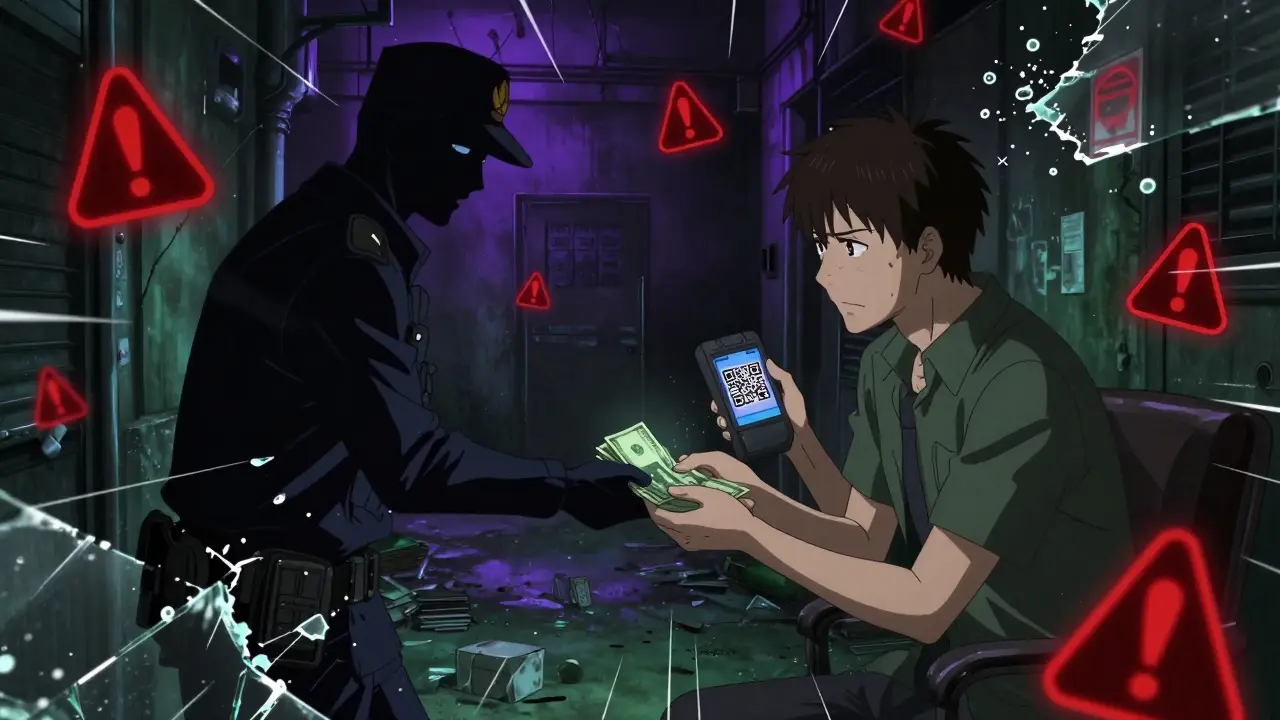
Using international credit or debit cards endorsed in US dollars allows banks to track every movement of your funds. If your bank notices transactions linked to known crypto exchanges, they may flag your account. This exposure can lead to frozen assets, account closures, and direct reports to regulatory bodies. You lose privacy, and you invite scrutiny.
Method 2: Local Agents (P2P)
This is the most common route. Local agents scattered across Dhaka, Chittagong, and other cities buy and sell cryptocurrencies like Bitcoin and USDT (Tether) in exchange for Bangladeshi Taka. They charge small commissions and profit from buy-sell spreads. However, this system operates without central authority regulation or taxation.
- Fraud Risk: There is no consumer protection. If an agent disappears with your Taka, you have no legal recourse. Police may refuse to investigate since the underlying activity is illegal.
- Price Manipulation: Agents can set arbitrary prices during volatile market conditions, leaving you paying significantly more than the global market rate.
- Counterfeit Currency: In cash-based P2P trades, there is a risk of receiving counterfeit notes, which agents can deny.
In 2025, new biometric verification mandates forced local exchanges to lose 30% of their users overnight. These displaced traders migrated to unregulated Telegram groups, where fraud and scam risks multiplied significantly. The convenience of avoiding formal KYC (Know Your Customer) checks comes at the price of total vulnerability.
Operational Risks: The 2026 Regulatory Crackdown
The operational environment for crypto traders in Bangladesh has intensified dramatically in recent years. The government’s 2025 regulatory framework didn’t just maintain the ban; it added layers of complexity designed to strangle underground activity. New biometric requirements turned simple onboarding processes into three-day ordeals, effectively shutting down legitimate-looking local platforms.
Mining operations have been explicitly outlawed. Grid operators have celebrated as power-hungry farms were banned, though some warehouse landlords in Chittagong quietly retrofit ventilation systems for continued secret operations. This secrecy increases operational costs and risks. Traders must use less secure methods to hide their activities from authorities, increasing exposure to cybersecurity threats.
Underground P2P trading volumes have reached record highs, while offshore stablecoin platforms are processing 200% more Bangladeshi Taka deposits. This indicates massive capital flight. Experts describe this as 'prohibition theater,' where restrictions stimulate innovation in circumvention methods rather than eliminating crypto activity. However, this visibility of capital flight triggers increased government scrutiny. The risk of sudden, aggressive enforcement actions targeting specific communities or regions is higher than ever.
| Method | Legal Risk | Financial Safety | Privacy Level | Primary Danger |
|---|---|---|---|---|
| International Cards | High | Medium (Bank Protected) | Low | Account Freeze / Tracking |
| Local P2P Agents | Medium-High | Very Low | Medium | Fraud / No Recourse |
| Telegram Groups | High | None | High | Scams / Identity Theft |
Taxation Paradox: Paying for a Crime?
One of the most confusing aspects for Bangladeshi traders is taxation. While no specific crypto tax regime exists, the National Board of Revenue applies the general Income Tax Ordinance of 1984 to all cryptocurrency transactions. This creates a bizarre paradox: you are potentially owing taxes on activities that are simultaneously prohibited by law.
If you report crypto gains, you admit to illegal activity. If you don’t report them, you risk penalties for tax evasion. This double bind leaves citizens with no safe harbor. The uncertainty about tax obligations and potential penalties for unreported gains adds another layer of legal vulnerability. It is a trap designed to catch anyone who tries to legitimize their underground earnings.
Socioeconomic Consequences: Beyond Individual Losses
The risks extend beyond individual traders to affect broader economic participation. Citizens engaging in crypto trading face potential exclusion from traditional banking services if their activities are discovered. Financial institutions are prohibited from engaging with crypto-related entities. This creates a risk of financial marginalization.
If your bank flags your account, you may find yourself unable to access mortgages, business loans, or even basic savings accounts. This 'de-banking' effect can ruin long-term financial plans. Furthermore, the underground crypto economy contributes to capital flight. Significant amounts of Bangladeshi Taka flow to offshore platforms, potentially weakening the domestic currency and economy. The government views this not just as a legal issue, but as a threat to national financial stability.

Regional Context: Why Bangladesh is Different
Comparing Bangladesh to its neighbors highlights the unique danger faced by its citizens. India implements a cautious approach with structured taxation (30% on crypto earnings and 1% TDS). Pakistan has taken proactive steps, including exploring Bitcoin reserves. These countries offer regulated infrastructure, dispute resolution mechanisms, and legal clarity.
Bangladesh’s absolute prohibition forces citizens into higher-risk underground alternatives. You cannot access the legitimate, regulated crypto infrastructure available in neighboring countries. This regulatory divergence means Bangladeshi traders are inherently more exposed to fraud, loss, and legal action than their counterparts in South Asia.
Future Outlook: Escalating Risks
There is no sign of the government softening its stance. The 2025 framework introduced additional restrictions rather than liberalization measures. The continued growth of underground trading activity suggests potential for more aggressive enforcement actions, possibly including broader financial surveillance and heavier penalties.
Citizens considering crypto trading face not only current legal and financial risks but also the possibility of retroactive enforcement actions as government monitoring capabilities expand. The fundamental incompatibility between Bangladesh’s regulatory approach and cryptocurrency creates an environment where citizen participation carries risks that are likely to increase rather than decrease over time. Expert analysis consistently warns against crypto trading for Bangladeshi citizens due to the comprehensive nature of these risks.
Is it legal to own Bitcoin in Bangladesh?
No. The Bangladesh Bank banned all cryptocurrency usage, trade, and possession in 2017. Owning Bitcoin is considered an illegal activity subject to prosecution under anti-money laundering laws.
Can I use Binance or KuCoin in Bangladesh?
While you can technically download these apps and create accounts, using them violates Bangladeshi law. Banks may monitor transactions linked to these platforms, leading to account freezes or legal action.
What happens if I get scammed by a local crypto agent?
You have very little recourse. Since the transaction involves illegal activities, police may refuse to investigate. Local agents operate without regulation, meaning there is no consumer protection or insurance for your funds.
Do I need to pay taxes on crypto profits in Bangladesh?
The National Board of Revenue applies the general Income Tax Ordinance to crypto transactions. However, reporting these gains admits to illegal activity, creating a legal paradox with no safe option.
Why is Bangladesh stricter than India or Pakistan?
Bangladesh cites concerns over money laundering, terrorist financing, and past Ponzi schemes. The government views crypto as fundamentally incompatible with its financial system stability goals, unlike neighbors who have adopted regulated frameworks.






Comments (19)
Andrew Todd
May 4, 2026 AT 08:37 AMLook at this mess. Bangladesh is just proving that when you ban something people want, they find a way to do it in the dirtiest possible manner. It’s not about freedom, it’s about greed and stupidity. You think these guys are smart? They’re walking into a trap set by their own government because they can’t read a simple law. The US doesn’t have this problem because we actually enforce rules that make sense for our economy. This isn’t innovation, it’s just criminal behavior wrapped in tech buzzwords.
Ryan Nakielny
May 6, 2026 AT 06:44 AMI mean, Andrew, you could try being less... intense? But seriously, the irony here is palpable. The more you restrict, the more underground it goes. It’s like trying to hold water in your hands; the tighter you squeeze, the faster it slips away. I suppose from an American perspective, watching another country struggle with basic financial regulation is just entertainment. But for the people on the ground, it’s genuinely scary stuff.
Sri Astuti
May 7, 2026 AT 19:40 PMOh my gosh, can we please talk about the sheer absurdity of this situation for a moment?! :o It is absolutely ridiculous how the government thinks they can stop technology with a piece of paper! The biometric verification mandates are basically saying 'we know you are doing it, so now we will make it harder for you to hide!' which is just counter-productive logic if you ask me! And don't even get me started on the tax paradox! How are you supposed to pay taxes on money that you are not allowed to earn legally?! It is a logical fallacy of the highest order!! :(((
Elle Kharitou
May 8, 2026 AT 04:39 AMIt really makes one ponder the nature of authority and resistance 🌿 When a society is forced into the shadows, it creates a unique kind of resilience, but also a deep vulnerability. I often think about how different cultures handle prohibition; in Australia, we had our share of bans, but eventually, the conversation shifted towards harm reduction rather than pure punishment. For those in Bangladesh, this is a daily existential crisis. It reminds us that financial systems are not just numbers, but reflections of societal trust or lack thereof ✨
Nitin Gupta
May 9, 2026 AT 13:36 PMThe comparison with India and Pakistan is quite telling. While neighbors have tried to regulate, Bangladesh has chosen isolation. From a technical standpoint, the P2P market is robust precisely because it fills a vacuum left by traditional banking inefficiencies. However, the lack of legal recourse is a major flaw. If you are trading via Telegram groups, you are essentially gambling with your life savings. It is risky, but understandable given the alternatives.
AP Fisher
May 11, 2026 AT 07:25 AMI just don't get why they hate crypto so much. Is it really that dangerous? Seems like everyone else is figuring it out except them. Maybe they should look at what's happening in other countries instead of just banning everything. People need ways to save money that aren't controlled by banks that might fail. It seems pretty unfair to lock people out of global markets.
Wayne Gillis
May 11, 2026 AT 10:12 AMHey guys! 👋 Did anyone else notice the part about mining farms in Chittagong? 😂 Those landlords are brave souls retrofitting ventilation systems while the grid operators celebrate! 🏗️ It’s like a real-life spy movie but with Bitcoin! Also, who wants to bet on how long before the next crackdown? 🎲 I’m putting my money on six months max! 💸
Noel Mandotah
May 11, 2026 AT 12:12 PMSure, keep crying about 'freedom'. It’s called rule of law. You break the law, you go to jail. Simple as that. No nuance needed.
edie rosa
May 12, 2026 AT 21:53 PMThis entire article reeks of moral decay. You are glorifying illegal activity. These people are criminals, plain and simple. They deserve whatever happens to them. There is no victim here, only perpetrators choosing to engage in fraud and money laundering. Stop enabling this narrative. It is disgusting.
Michael Repak
May 14, 2026 AT 00:32 AMWell!! It is certainly an interesting situation!!! One must consider the broader implications!!! The fact that offshore stablecoin platforms are processing 200% more deposits is staggering!!! It indicates a massive loss of faith in the local currency!!! We must be careful how we interpret this data!!!
Rain Richardsson
May 15, 2026 AT 08:13 AMIt’s sad really. People just want to survive. The risks are high, but the alternative is stagnation. I hope things change soon.
Iestyn Lloyd
May 16, 2026 AT 10:48 AMFrom a regulatory perspective, the divergence between Bangladesh and its neighbors is stark. The UK has taken a cautious approach, focusing on consumer protection rather than outright bans. The Bangladeshi model, while perhaps intended to protect stability, ultimately drives capital flight. It is a textbook example of unintended consequences in economic policy. The P2P agents operate in a grey zone that is difficult to police effectively without infringing on civil liberties.
April D Thompson
May 17, 2026 AT 13:30 PMOh wow, just wow. The human spirit is so resilient, isn't it? Even when faced with absolute prohibition, people find a way to connect, to trade, to build communities in the digital ether. It’s tragic, yes, but also deeply inspiring in a twisted sort of way. We are all just navigating the currents of power and control.
Kara Spadone
May 19, 2026 AT 00:28 AM:) You see, the universe balances itself. When you suppress one form of value, another emerges. The underground markets are not a bug, they are a feature of a broken system. The people suffering are not the traders, but the state that refuses to adapt. Karma is a wheel, and it turns slowly. :)
Arun Prabhu
May 19, 2026 AT 03:23 AMAh, the quaint little prohibition theater of Dhaka. So predictable. The elites sit in their air-conditioned offices drafting laws they themselves ignore, while the common man risks his neck for a few dollars. It is a spectacle of incompetence dressed up as governance. Truly, a masterpiece of failure.
Jehan ZA
May 20, 2026 AT 07:02 AMOne must acknowledge the severity of the legal framework. The penalties are not merely symbolic; they are designed to deter. However, the effectiveness is questionable given the proliferation of P2P networks. It is a complex issue requiring nuanced analysis rather than simplistic condemnation.
debra hoskins
May 21, 2026 AT 01:31 AMActually, the ban is probably working exactly as intended. It keeps the riffraff out. The ones who are trading are the desperate or the foolish. Let them fail. It cleans up the market. Not everyone deserves access to global finance.
Pramendra Singh
May 22, 2026 AT 22:47 PMI hope everyone stays safe out there. It is a tough spot to be in, but remember that knowledge is power. Understanding the risks is the first step to mitigating them. Keep each other informed and look out for scams.
Amanda Macy
May 23, 2026 AT 09:27 AMThe tension between state control and individual autonomy is central here. When the state claims ownership over all financial transactions, it strips individuals of agency. The underground market is a rebellion against that totalizing control. It is messy and dangerous, but it is also a assertion of self-determination.