
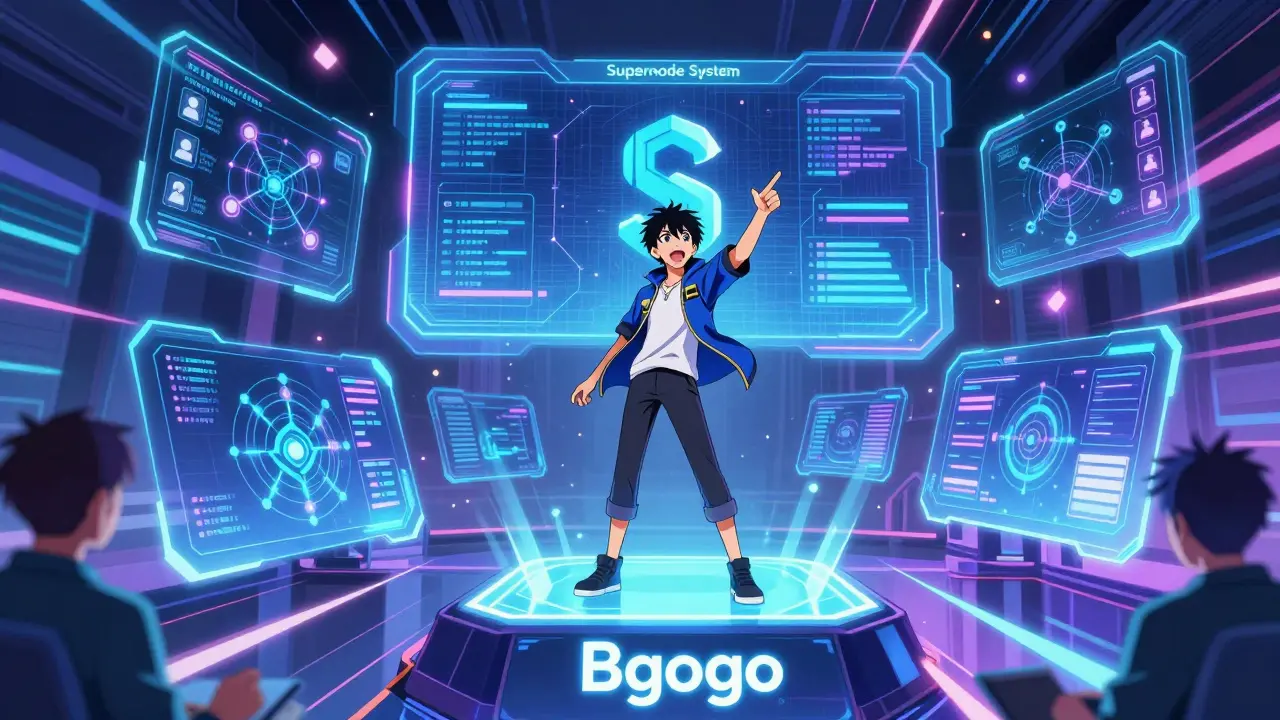
Remember the hype of 2018? That was when Bgogo was a cryptocurrency exchange platform that promised to revolutionize trading through community governance and transparent supernode systems. It launched with a bold mission: to be an exchange "by the community, for the community." Today, in July 2026, you might be wondering if this platform is still worth your attention. The short answer requires caution. While Bgogo introduced innovative concepts like the supernode model and aggressive token buybacks, its current operational status is murky compared to industry giants.
If you are looking at Bgogo today, you are likely drawn by the unique mechanics of its native token or perhaps old memories of its launch. But before you deposit funds, you need to understand what happened to the platform after its initial fanfare. This review breaks down the core features, the reality of its current standing, and whether it holds any value in the modern crypto landscape.
The Core Concept: What Made Bgogo Different?
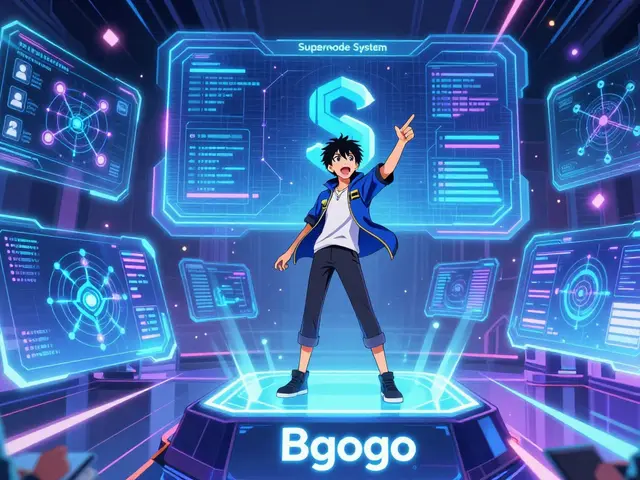
To understand Bgogo, you have to look at how it tried to solve a major pain point in crypto exchanges: trust and listing bias. Most exchanges decide which coins to list based on internal decisions or payment from projects. Bgogo attempted to democratize this process using a structure called the Supernode System, which is a governance mechanism where selected community members, known as supernodes, have the authority to vote on which cryptocurrencies get listed on the platform.
This wasn't just a marketing gimmick; it was baked into the protocol. Each supernode held two powerful privileges:
- One Vote, One Listing: During their tenure, a supernode could nominate a specific cryptocurrency to be listed on the Bgogo trading platform. This gave power directly to the community rather than central executives.
- 20% Per-Trade Commission Share: If a supernode nominated a coin, they received 20% of the trading fees generated by that specific pair for the lifetime of the listing. This aligned the incentives of the governors with the success of the assets they chose.
Furthermore, Bgogo marketed itself as radically transparent. They published the BGG token holdings of all supernodes on their website. In an industry often criticized for hidden whale wallets, this was a significant claim. However, transparency claims mean little if the data isn't updated regularly, which brings us to the current state of affairs.
The BGG Token Mechanics: Buybacks and Burn
The engine driving the Bgogo ecosystem was its native utility token, BGG, which serves as the primary currency for fee payments, rewards, and participation in the supernode governance system within the Bgogo platform. The tokenomics were designed to be deflationary and highly rewarding for active traders.
Here is how the system worked on paper:
- Negative Trading Fees: Users who paid fees in BGG received a rebate. Specifically, the platform promised to return BGG tokens equivalent to 105% of the trading fee within 30 minutes. Effectively, you were getting paid to trade, assuming the token price remained stable or increased.
- Daily Buybacks: Bgogo committed to using 100% of its daily trading commissions to repurchase BGG tokens from the open market.
- Token Burns: The repurchased tokens were sent to a public burn address, permanently removing them from circulation. This reduced supply, theoretically increasing scarcity and value over time.
This model created a strong feedback loop: more trading volume led to more buybacks, which supported the price, which attracted more traders. However, this model is highly sensitive to market conditions. If trading volume drops, the buyback pressure vanishes. Given the lack of recent volume data, the efficacy of this mechanism today is questionable.
Current Operational Status: Is Bgogo Still Active?
This is the most critical section for anyone considering using the platform. As of mid-2026, the digital footprint of Bgogo raises serious red flags regarding its activity level.
When we compare Bgogo to established players like Binance, which processes billions in daily volume, or Coinbase, which is publicly traded, Bgogo appears silent. There are no recent news updates, no new listing announcements, and no visible social media engagement beyond archived posts from 2018-2019. The absence of real-time trading volume statistics on major aggregators suggests that liquidity may be extremely low or non-existent.
Low liquidity is dangerous. It means you might not be able to sell your assets without crashing the price, or worse, you might not be able to withdraw at all. While the platform's website (bgogo.com) may still load, the lack of active development, security audits, or customer support responsiveness indicates that the exchange is likely dormant or has ceased meaningful operations.
Always verify the current status of any exchange by checking:
- Recent withdrawal confirmations from independent user communities.
- Live order book depth on third-party trackers.
- Active communication channels (Telegram, Twitter) with recent, substantive updates.
If these elements are missing, the risk of losing funds is high.
Safety, Security, and Regulatory Concerns
In the world of cryptocurrency, safety isn't just about encryption; it's about regulatory compliance and solvency. Bgogo was headquartered in China during its launch phase. By 2026, the regulatory landscape for crypto in China remains strict, with heavy restrictions on trading and mining. Operating an exchange with ties to such jurisdictions can pose significant legal and operational risks for international users.
While Bgogo secured early investment from Pantera Capital, a reputable blockchain venture firm, this does not guarantee ongoing safety. Early investment validates the team's initial potential but does not protect users from future mismanagement, hacking, or abandonment. The technical team boasted backgrounds from tech giants like Google and IBM, which is impressive, but code quality alone cannot prevent business failure.
Critical security questions remain unanswered:
- Are cold storage protocols actively maintained?
- Is there proof of reserves?
- Is customer support responsive to urgent withdrawal issues?
Without clear answers to these questions, treating Bgogo as a primary holding place for assets is inadvisable. For storing long-term holdings, hardware wallets like Ledger or Trezor are far safer options.
Comparison: Bgogo vs. Modern Alternatives
To put Bgogo's position in perspective, let's compare it against current industry standards. The table below highlights key differences between the legacy Bgogo model and what users expect from top-tier exchanges in 2026.
| Feature | Bgogo | Binance | Kraken |
|---|---|---|---|
| Governance Model | Supernode Voting | Centralized | Centralized |
| Current Activity | Limited/Dormant | Very High | High |
| Fee Structure | Complex (BGG Rebates) | Tiered Maker/Taker | Tiered Maker/Taker |
| Regulatory Clarity | Ambiguous | Global Licenses | Strong US/EU Compliance |
| User Support | Email Only (Slow) | 24/7 Live Chat & Email | 24/7 Live Chat & Email |
As you can see, while Bgogo's supernode idea was innovative, it lacks the infrastructure, liquidity, and support that define reliable exchanges today. Platforms like Binance and Kraken offer deeper markets, faster execution, and clearer regulatory pathways, making them safer choices for active trading.

Mobile App and User Experience
During its peak, Bgogo offered a mobile application available via Aptoide for Android devices. The app allowed users to trade, manage wallets, and track assets. However, in 2026, downloading apps from third-party stores like Aptoide carries higher security risks than official app stores (Google Play or Apple App Store). Malware injection is a real threat in unverified APK files.
Moreover, if the backend servers are inactive, the app becomes useless. Many users report that older crypto exchange apps fail to connect to APIs or display stale data. If you do attempt to access Bgogo via mobile, ensure your device has robust antivirus protection and never grant unnecessary permissions.
Verdict: Should You Use Bgogo in 2026?
The verdict is clear: **Proceed with extreme caution, or avoid entirely.**
Bgogo was a fascinating experiment in decentralized governance and tokenomics during the 2018 bull run. Its supernode system and aggressive BGG buyback mechanisms were ahead of their time. However, innovation does not equal sustainability. The lack of recent updates, ambiguous regulatory status, and absence of verifiable trading volume suggest that the platform is no longer a viable option for serious traders.
If you hold old BGG tokens, try to withdraw them to a personal wallet immediately. Do not deposit new funds. For active trading, stick to regulated, high-volume exchanges with proven track records. The crypto space has matured since 2018, and platforms that failed to adapt or maintain transparency have largely fallen by the wayside. Your capital is better protected elsewhere.
Is Bgogo a scam?
There is no definitive evidence labeling Bgogo as a outright scam, as it had legitimate investors like Pantera Capital and a functional platform during its launch. However, the lack of recent activity, transparency, and support raises concerns about abandonment. In crypto, an abandoned exchange can effectively trap user funds, which feels like a scam even if unintentional.
What is the Bgogo Supernode system?
The Supernode system was a governance feature where select holders (supernodes) could vote to list new cryptocurrencies on the exchange. In return, they earned 20% of the trading fees from those listed pairs. It aimed to decentralize listing decisions, but its effectiveness depends on active participation and platform viability.
Can I still trade on Bgogo?
Technically, you may be able to access the website, but trading is risky due to potential lack of liquidity. Without sufficient buyers and sellers, you might not execute trades at fair prices. Additionally, the security of the platform in 2026 is unverified, making it unsafe for new deposits.
Where can I buy BGG tokens?
BGG tokens are primarily traded on decentralized exchanges (DEXs) or peer-to-peer markets. Major centralized exchanges like Binance do not currently list BGG. Be cautious when buying on DEXs, as liquidity may be low, leading to high slippage. Always verify contract addresses to avoid fake tokens.
How does Bgogo compare to Binance?
Binance is a global leader with massive liquidity, extensive regulatory compliance, and robust security. Bgogo was a niche platform focused on community governance. Today, Binance offers a safer, more efficient trading experience, while Bgogo lacks the active infrastructure to compete reliably.